 arielwp@yahoo.com
 arielwp@yahoo.com


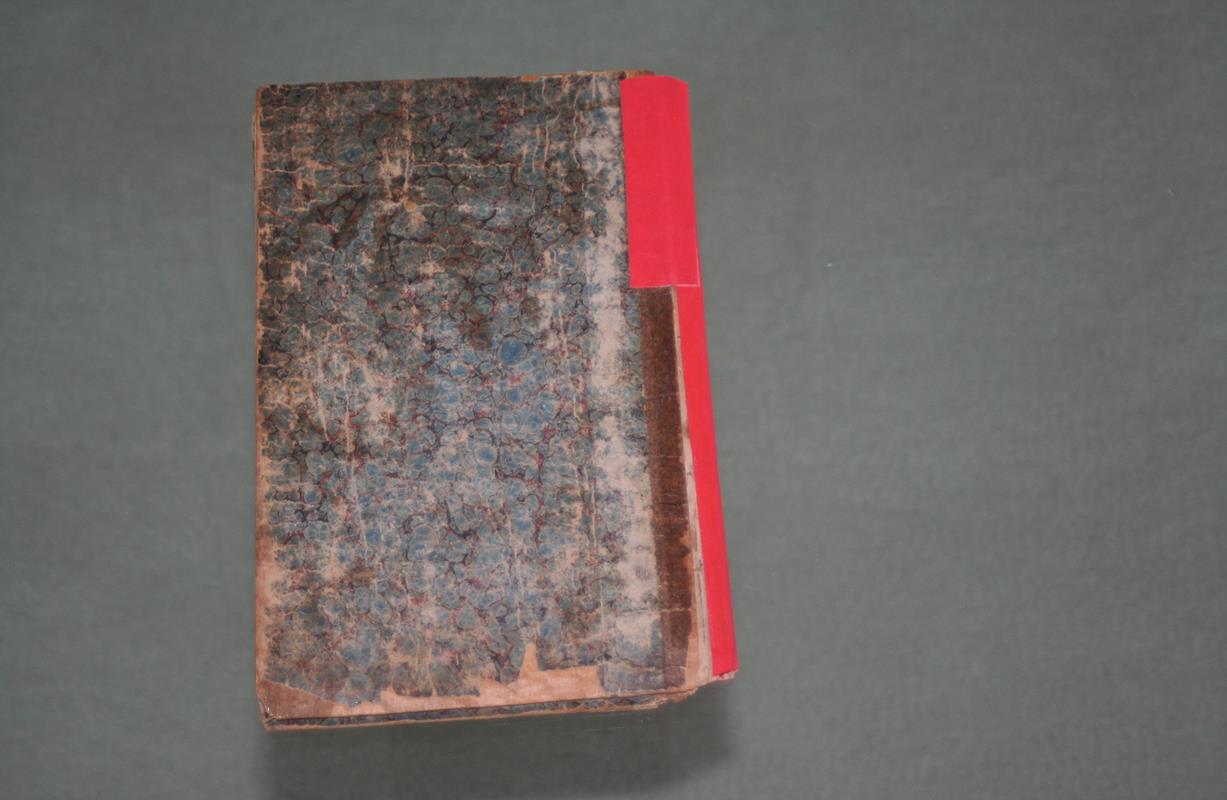
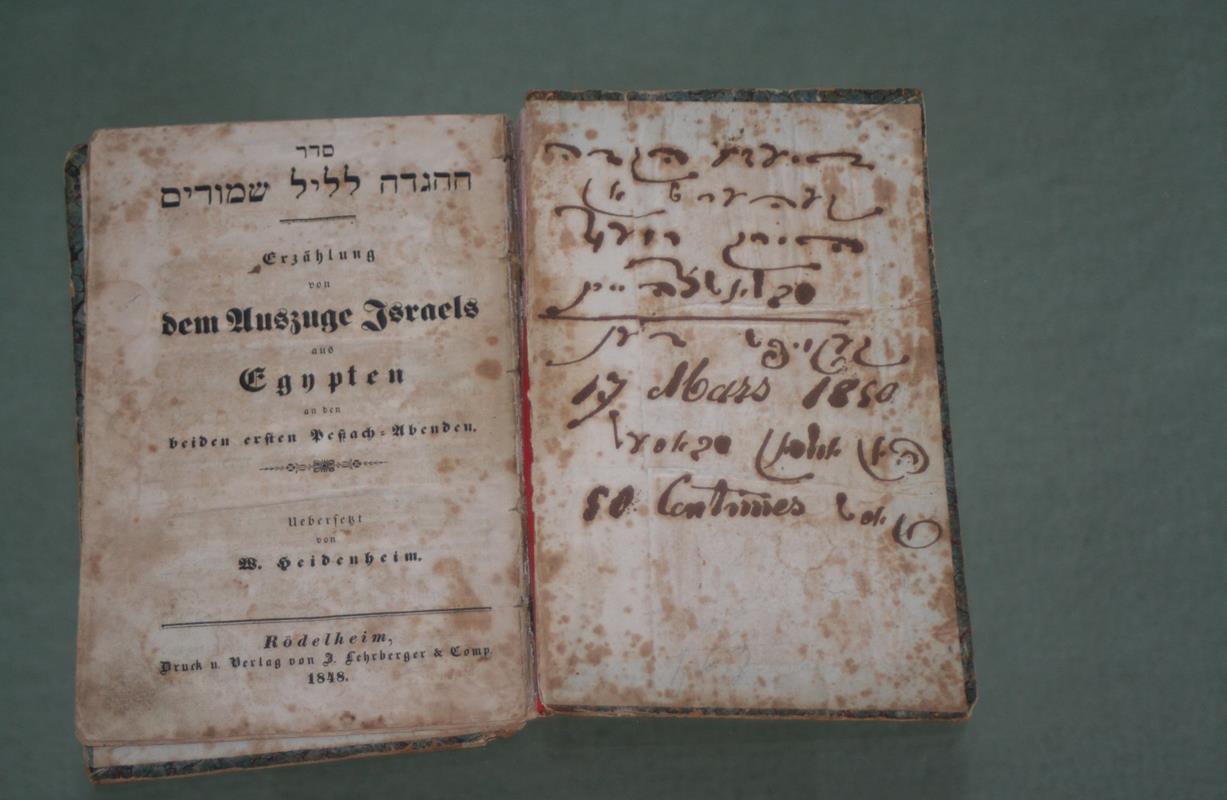
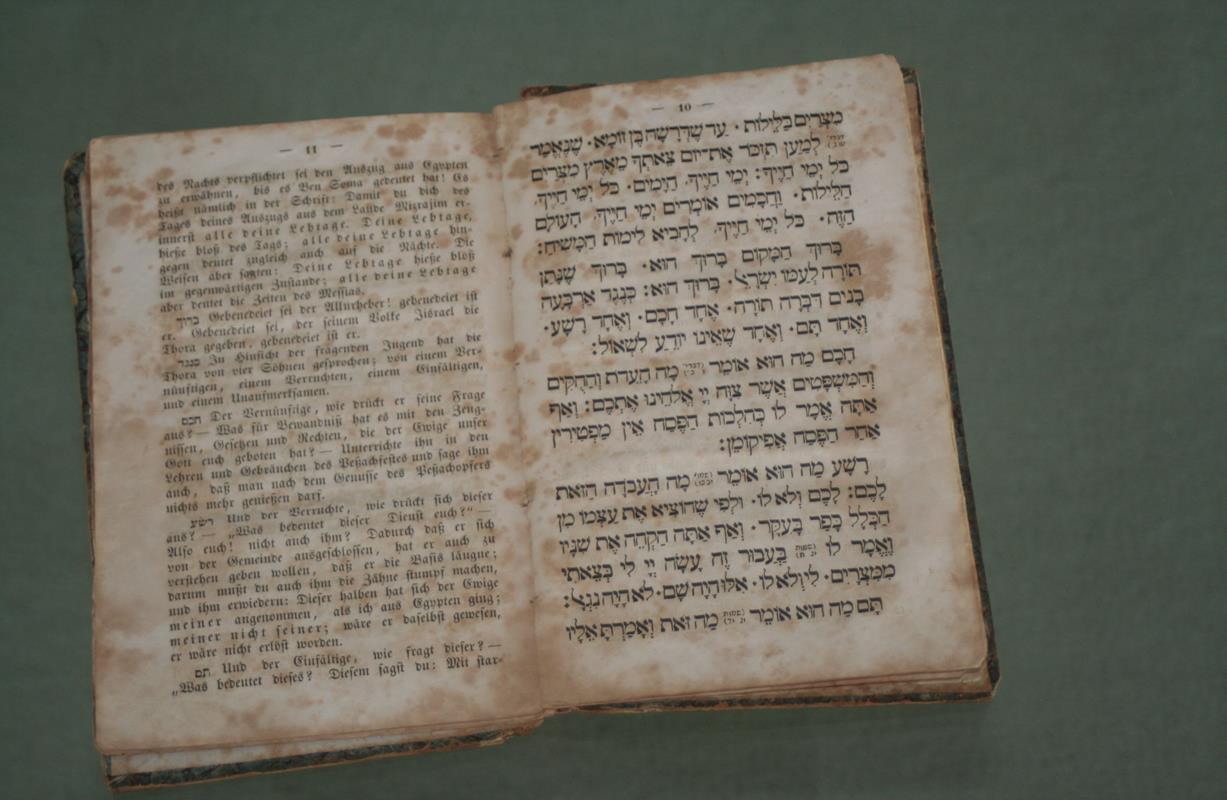
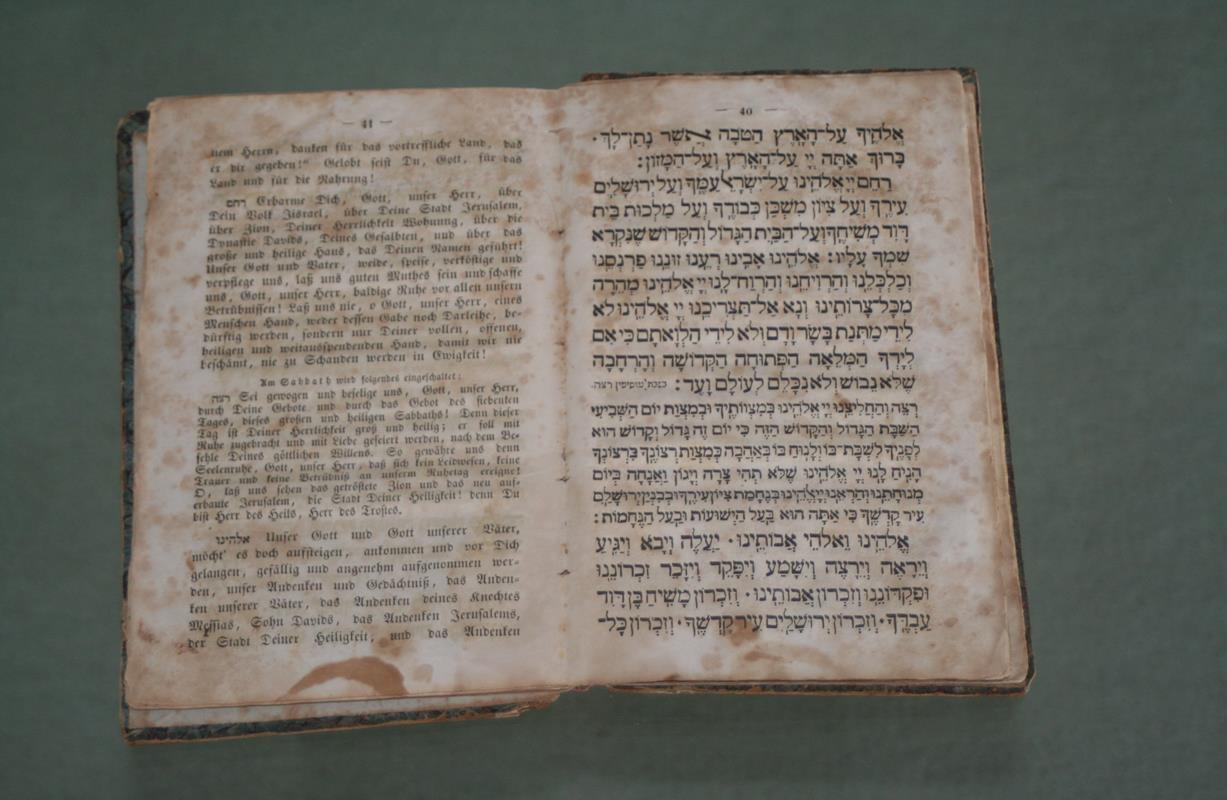
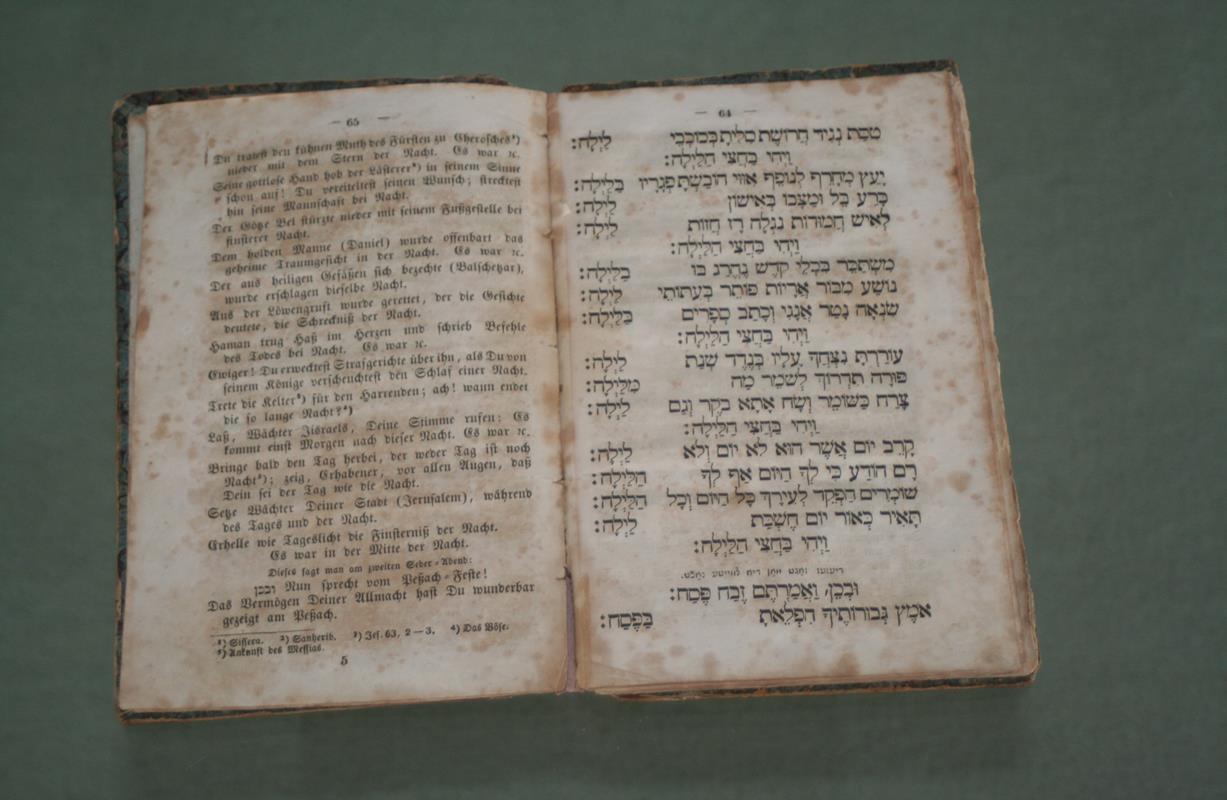
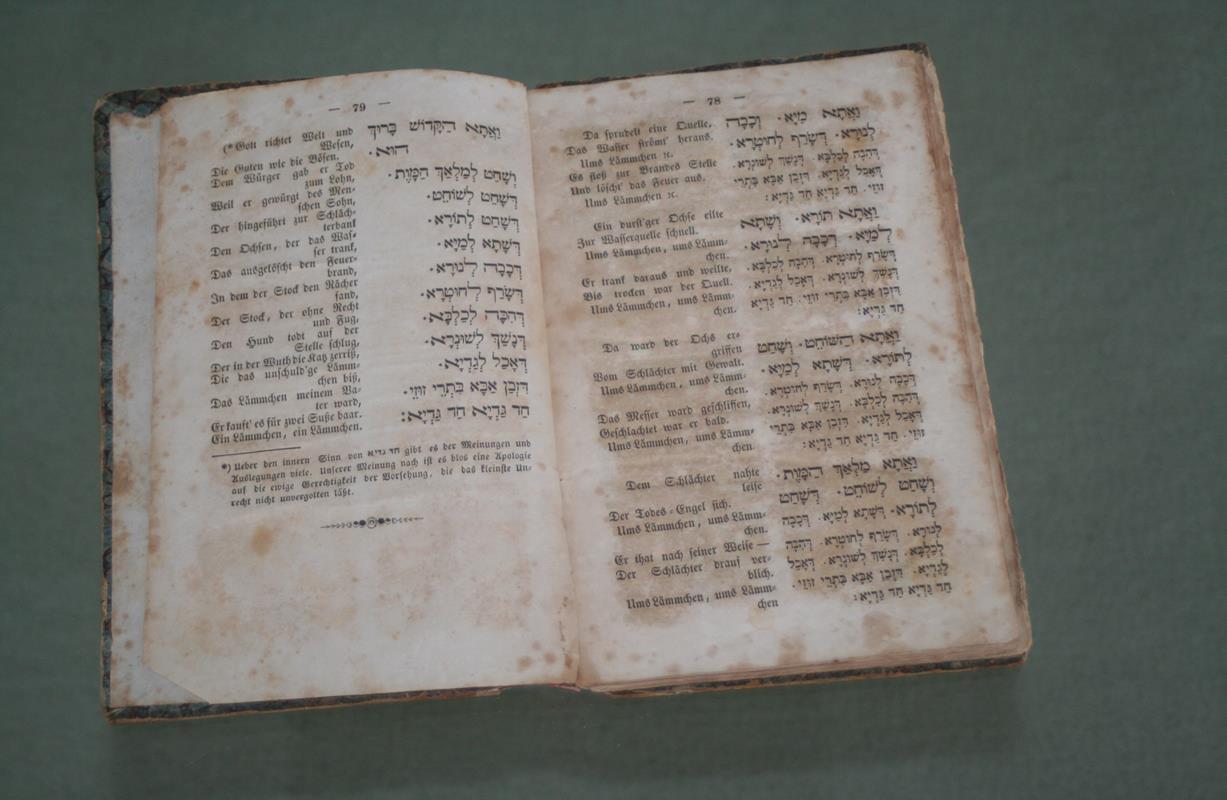
Yudlov 922 Haggadah Rodelheim 1848
Yudlov 922 Haggadah Rodelheim 1848
Author: Wolf Heidenheim
Publisher: J. Lehrberger & Comp.
1848 Rödelheim Haggadah of the Rueff Family
Basel, Blotzheim, and the Jewish Rhine Borderlands
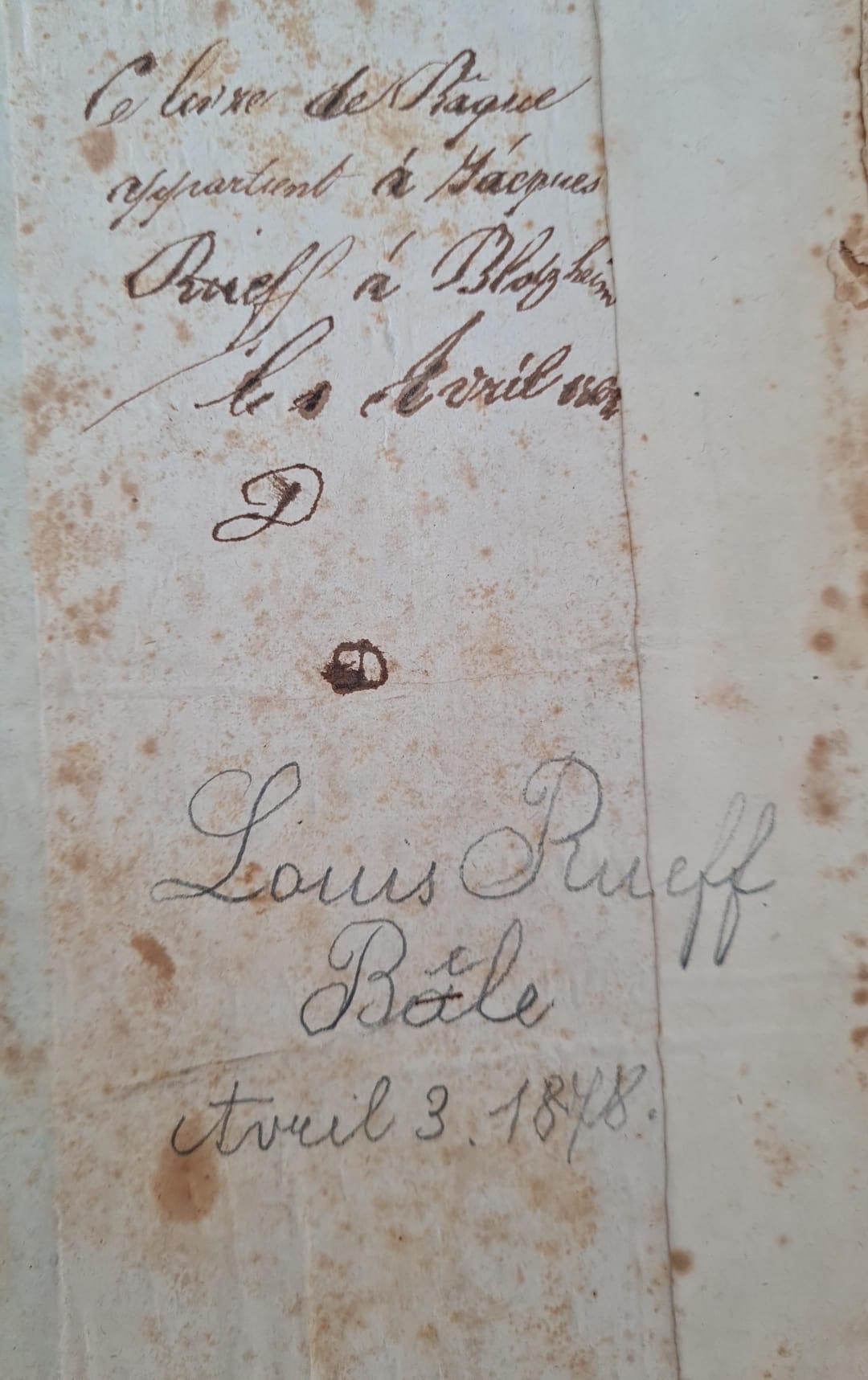
The earliest known inscription appears in French cursive and reads:
“Louis Rueff, Bâle, Avril 3, 1848”
indicating ownership by Louis Rueff in Basel, Switzerland, in the very year of the book’s publication.
A second later inscription, also written in French, records:
“Ce livre de Pâque appartient à Jacques Rueff … le 4 Avril 1860”
(“This Passover book belongs to Jacques Rueff…”)
The location appears to read Blotzheim, an Alsatian village in the Haut-Rhin department of France located only a short distance from Basel. The inscription suggests that the Haggadah remained within the Rueff family across at least a decade, passing between branches of the family connected to both Basel and Alsace.
Additional Hebrew and Yiddish cursive inscriptions appear on the flyleaves. One section seems to contain the surname “Rueff” written phonetically in Hebrew characters, while another may reference a nearby Rhine-border locality, possibly Schliengen in Baden-Württemberg. Though some readings remain tentative, the inscriptions strongly reflect the multilingual Jewish culture of the region, where French, German, Yiddish, and Hebrew regularly intersected in daily life.
Research into the Rueff surname revealed documented Jewish Rueff families originating from Blotzheim and neighboring Alsatian communities. During the 19th century, many Jewish families from this region maintained close ties across the French-Swiss border, frequently relocating between villages such as Blotzheim, Saint-Louis, Hegenheim, and Basel in search of economic opportunity and greater social stability.
Possible later connections to documented members of the Rueff family emerge during the Holocaust period. While the exact genealogical relationship to the owners of this Haggadah has not yet been conclusively proven, surviving records suggest that the Basel and Blotzheim Rueff families formed part of a broader extended Alsatian Jewish network whose members experienced dramatically different wartime fates.
One branch of the family appears to have settled permanently in Basel, Switzerland, before the Second World War, likely allowing them to survive the Holocaust within neutral Switzerland. Other Rueff family members remained in France and occupied Europe. Archival Holocaust records reference Lucie Rueff (later Lucie Barmes), originally from the Saint-Louis region, who was deported and murdered at the Sobibór extermination camp. Another documented member of the extended family, Georges Mathieu Rueff of Blotzheim, was interned at Drancy during the German occupation of France and later survived the war, leaving testimony concerning his experiences.
Though these Holocaust-era individuals cannot yet be directly connected to the specific owners of this Haggadah with complete certainty, the geographical continuity of the Rueff family across Basel, Blotzheim, and the surrounding Rhine borderlands strongly suggests that this modest ritual book may once have belonged to the same extended Jewish family network later scattered and devastated by the events of the twentieth century.
Today, the Haggadah stands not only as a mid-19th century Jewish ritual text, but also as a rare witness to the interconnected Jewish communities of Basel and southern Alsace, preserving traces of family continuity across generations, borders, languages, and historical upheaval.
SPECIAL
HOLOCAUST
IRONID


