 arielwp@yahoo.com
 arielwp@yahoo.com


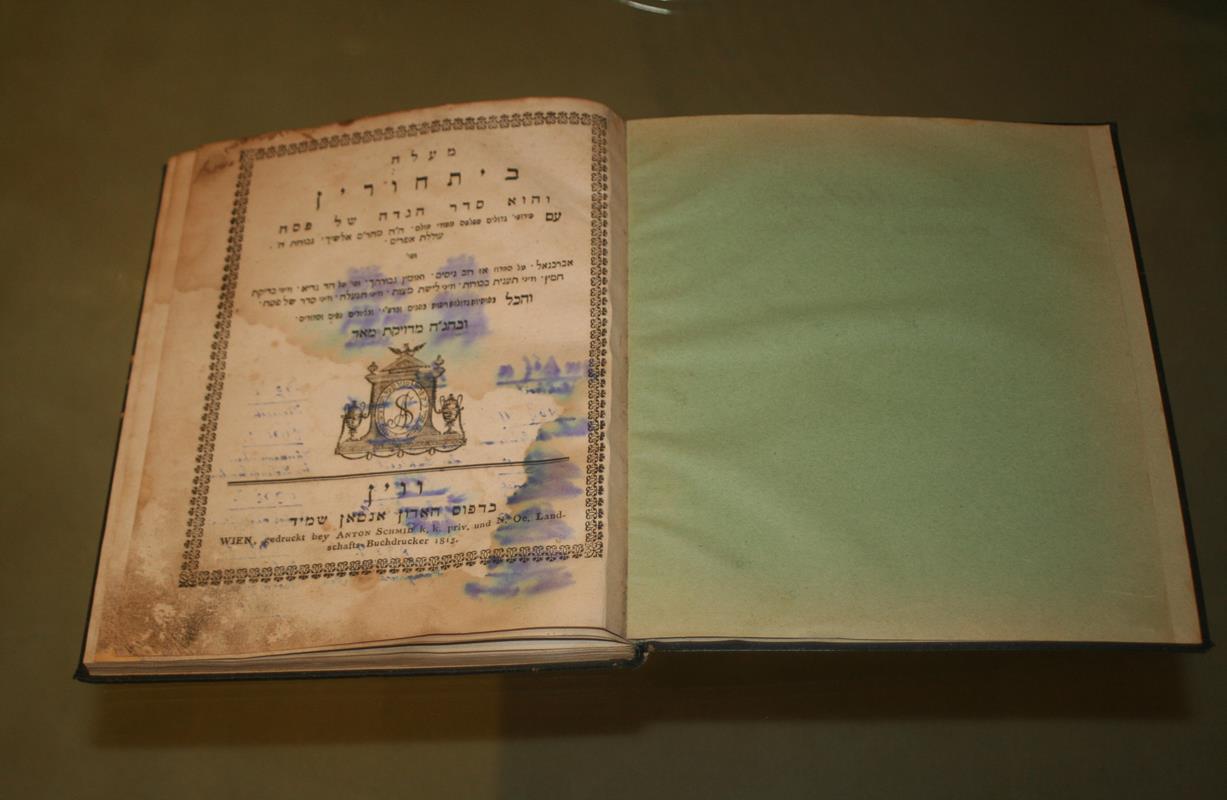
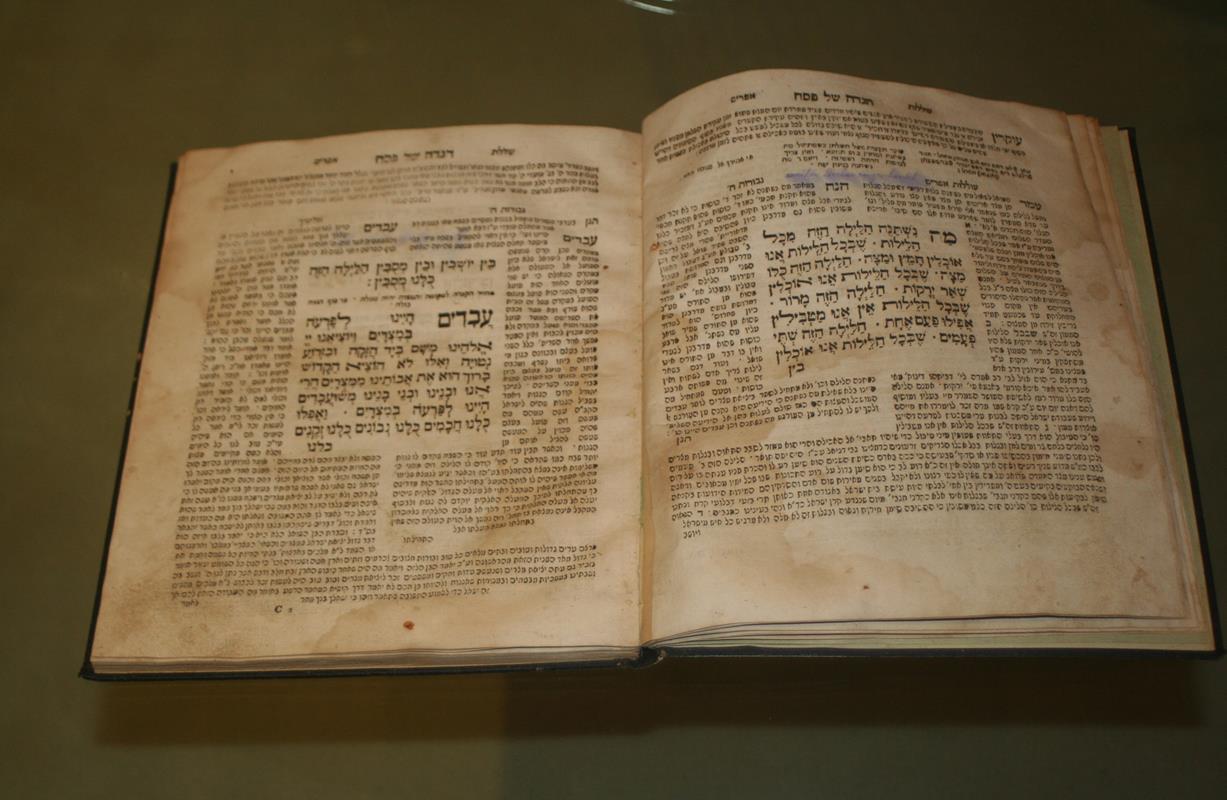
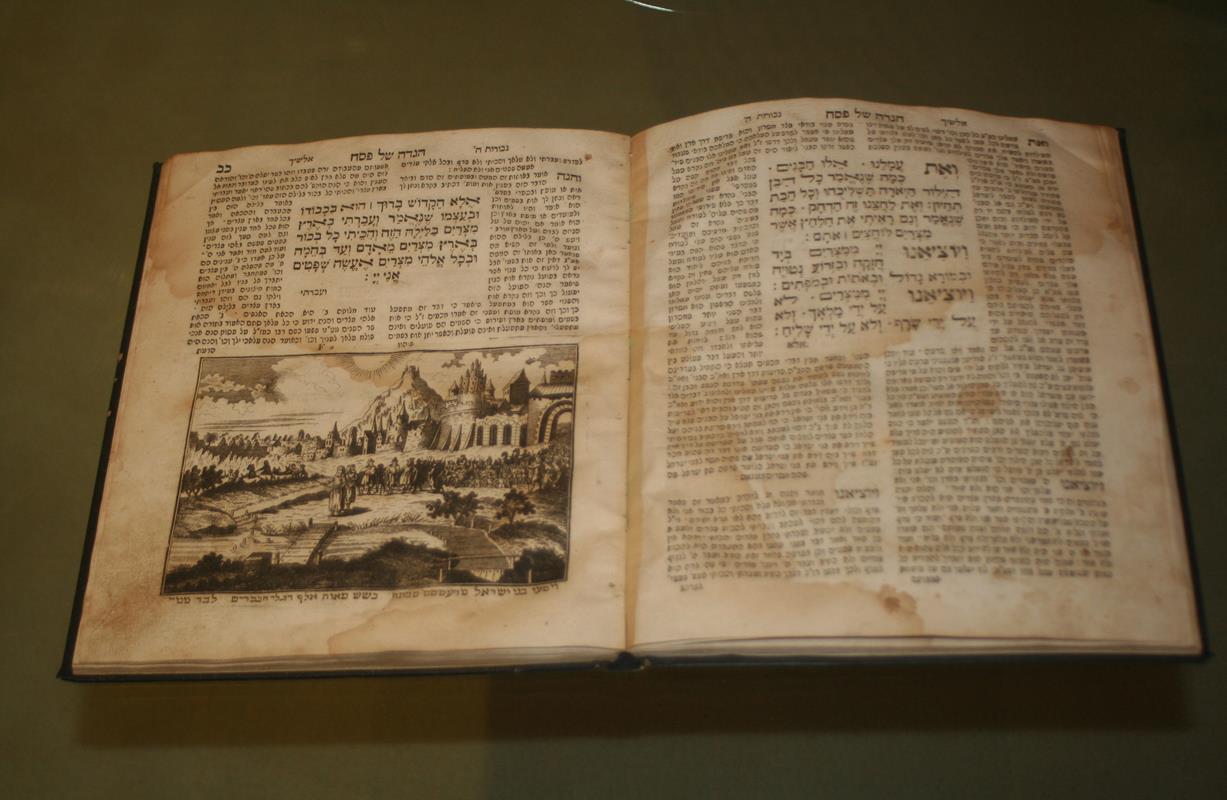
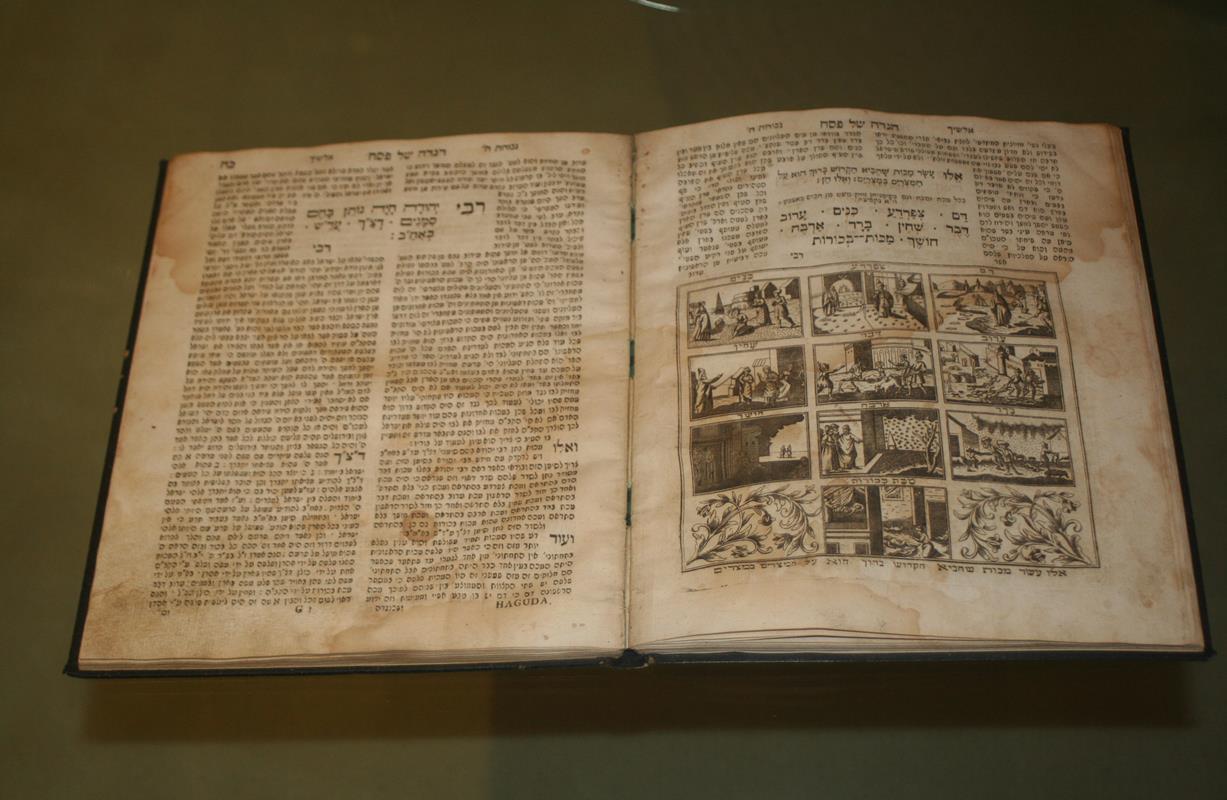
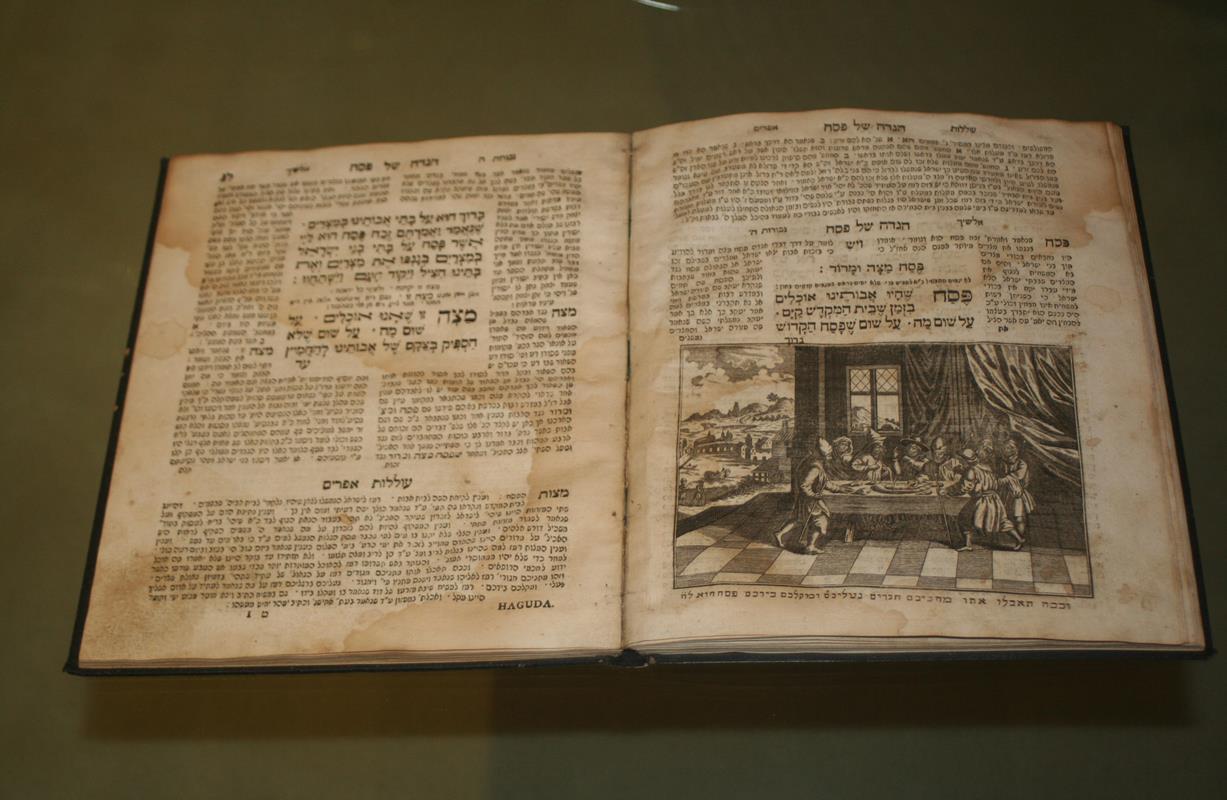
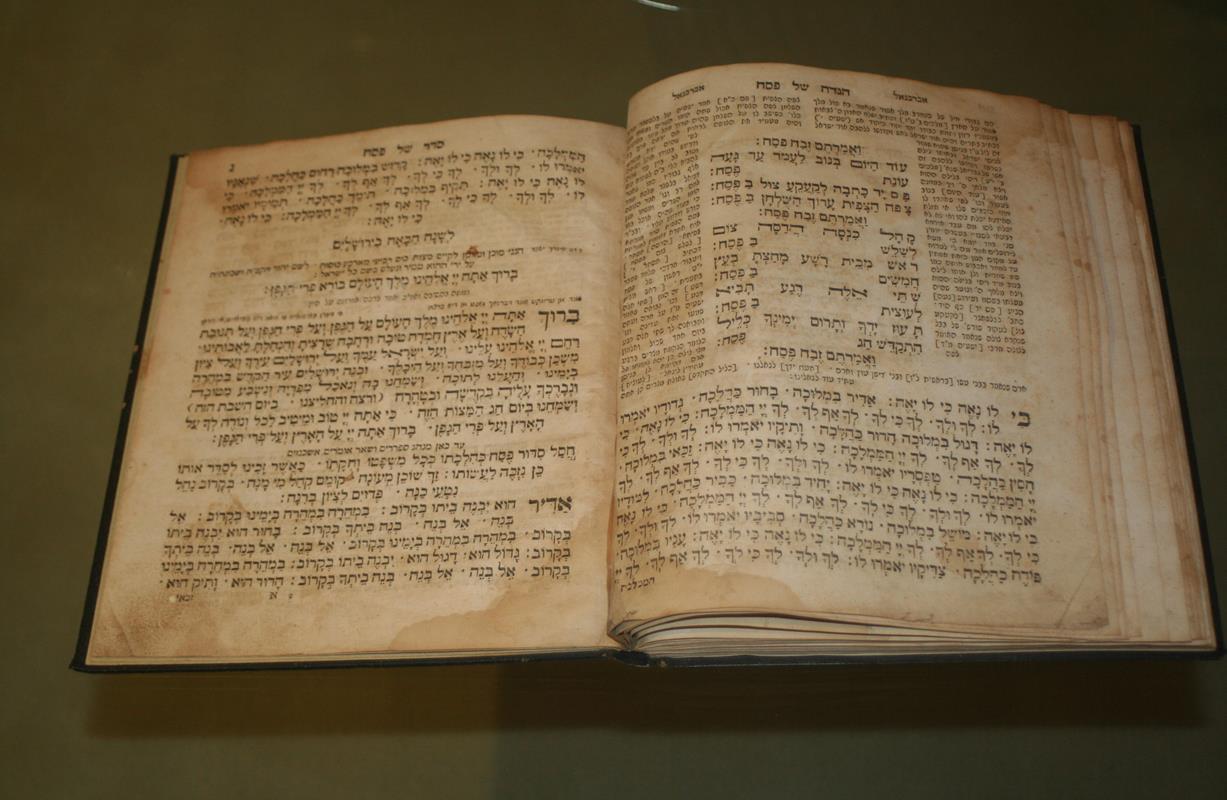
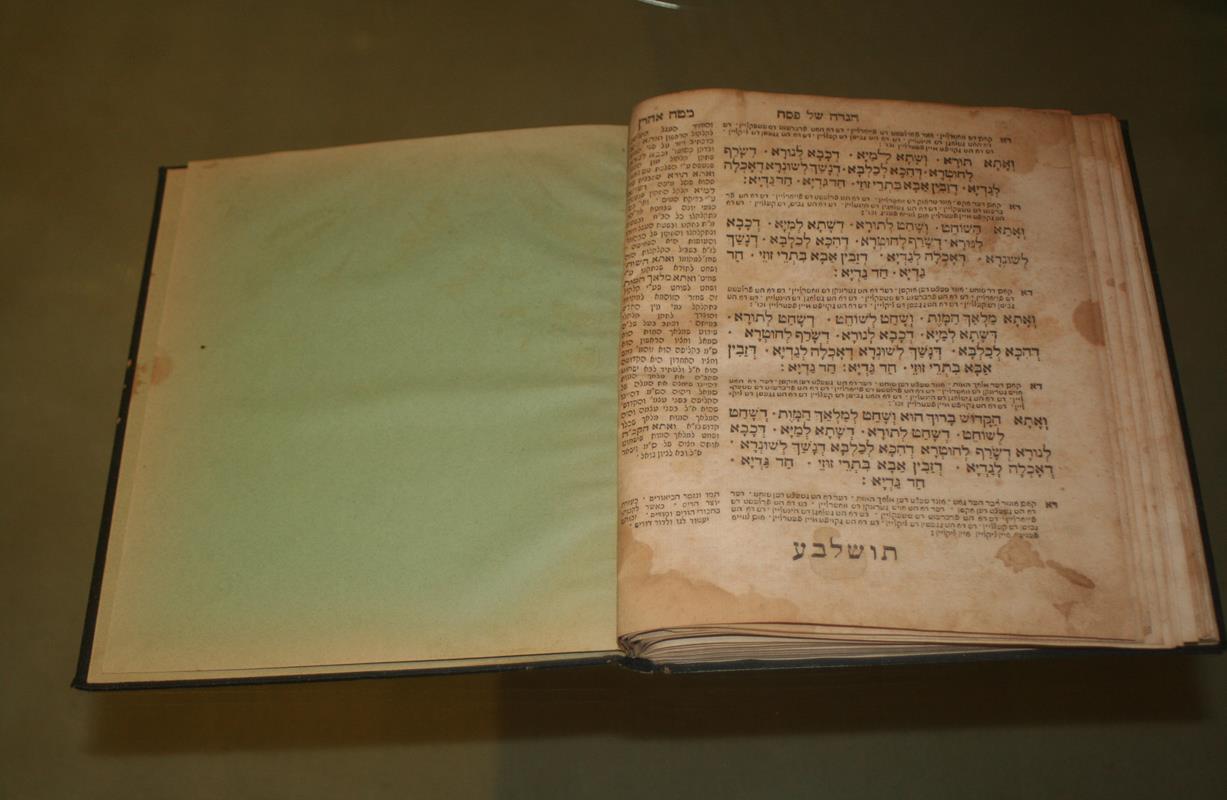
Yudlov 543 Haggadah Vienna 1813
Yudlov 543 Haggadah Vienna 1813
Publisher: Aaron Aontoine Schmid
Here is a website entry written cautiously but incorporating the evidence and indicating where identification remains probable rather than certain:
The Leeb Family Memorial Haggadah (Vienna, 1813)
This 1813 Vienna Haggadah preserves not only over two centuries of Jewish continuity, but also a poignant memorial to a Jewish family whose story appears to extend from nineteenth-century Central Europe into the destruction of the Holocaust.
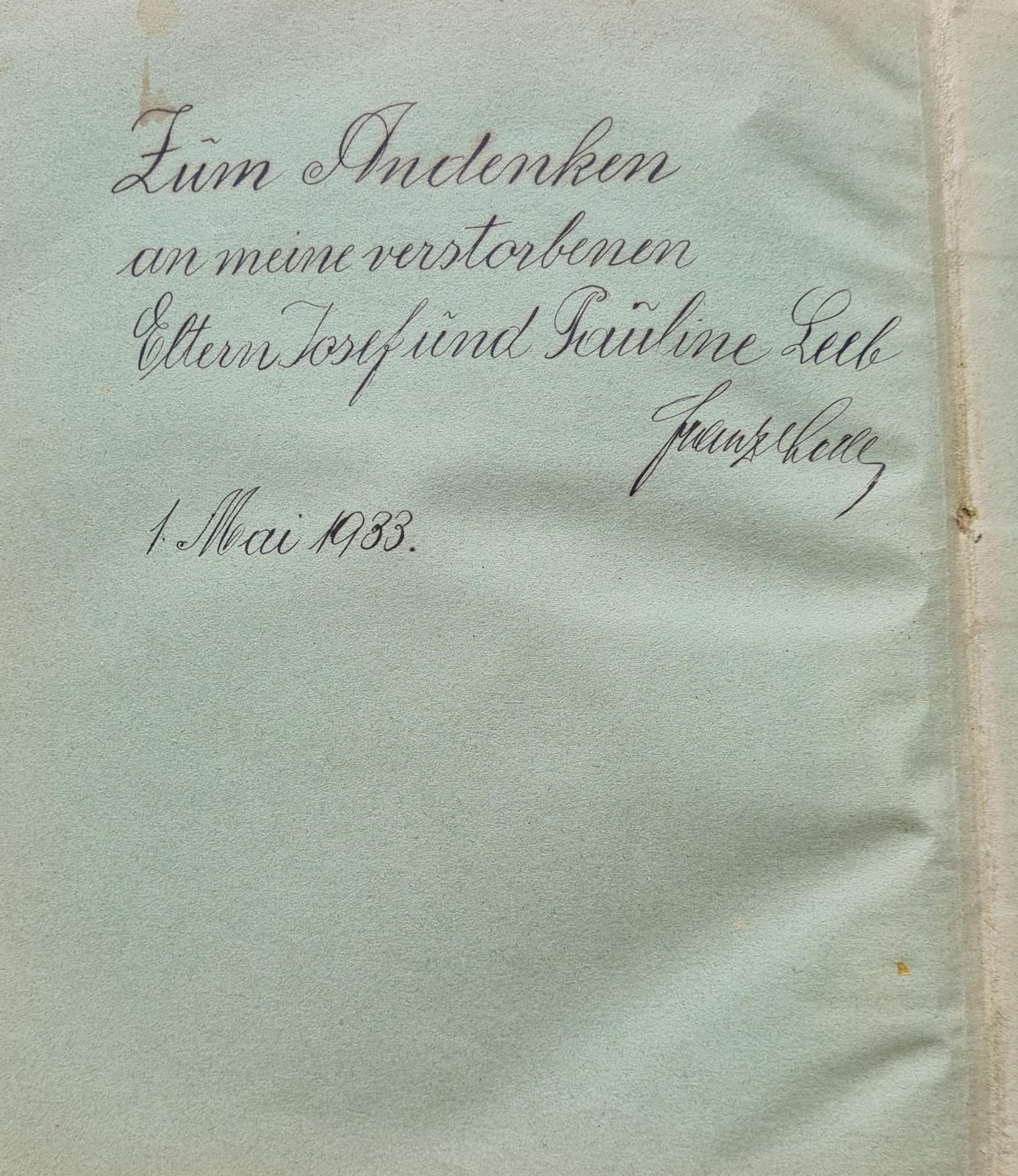
An inscription added to the volume on 1 May 1933 reads:
“In memory of my deceased parents Josef and Pauline Leeb.”
Signed: Franz Leeb (probable reading)
Genealogical records strongly suggest that the inscription refers to the family of Josef Leeb and Pauline Leeb, likely an Austro-Hungarian Jewish couple whose children included:
- Wilhelm Leeb, born 1874
- Flora Leeb, who died in 1881 at approximately one year of age
- Ferencz (Franz) Leeb, born 1884
- Berthold Leeb, born 1887
Records further indicate that Pauline Leeb died in 1923, making it plausible that the memorial inscription was written by her son approximately a decade later.
Particularly compelling is the appearance in Holocaust documentation of a Franz Leeb, born in 1884, living in Vienna during the Second World War. According to Yad Vashem records, this Franz Leeb was deported from Vienna on Transport 17 on 9 April 1942 to Izbica, in the Lublin district of occupied Poland, and was murdered in the Shoah.
While absolute identification remains impossible without additional archival confirmation, the convergence of evidence is striking:
- identical surname
- matching given name (Ferencz / Franz)
- matching birth year (1884)
- Austrian connection
- family memorial inscription dated 1933
If the identification is correct, this Haggadah may have remained in one Jewish family for well over a century — potentially passing through multiple generations before being preserved by Franz Leeb, who may himself later have become a victim of the Holocaust.
The volume thus stands not only as an early nineteenth-century Vienna Haggadah, but as a witness to the continuity and rupture of Central European Jewish life: inherited, cherished, memorialized, and ultimately surviving where members of its family may not have.
SPECIAL
HOLOCAUST
IRONID


