 arielwp@yahoo.com
 arielwp@yahoo.com


Yudlov 352 Haggadah Vienna 1791 2
Yudlov 352 Haggadah Vienna 1791 2
Wolff Löbel Pick of Breslau — A Forgotten Jewish Life Remembered
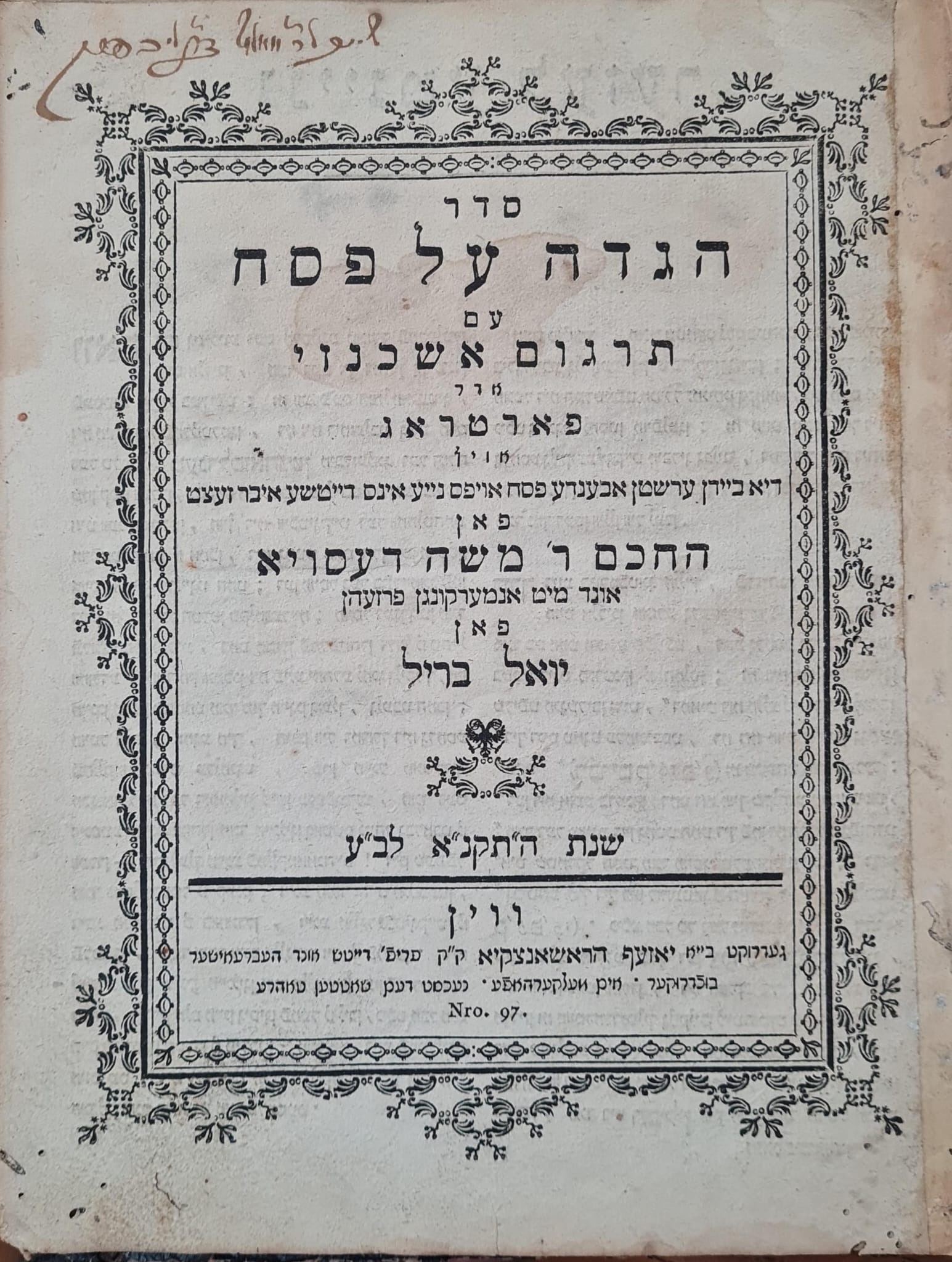
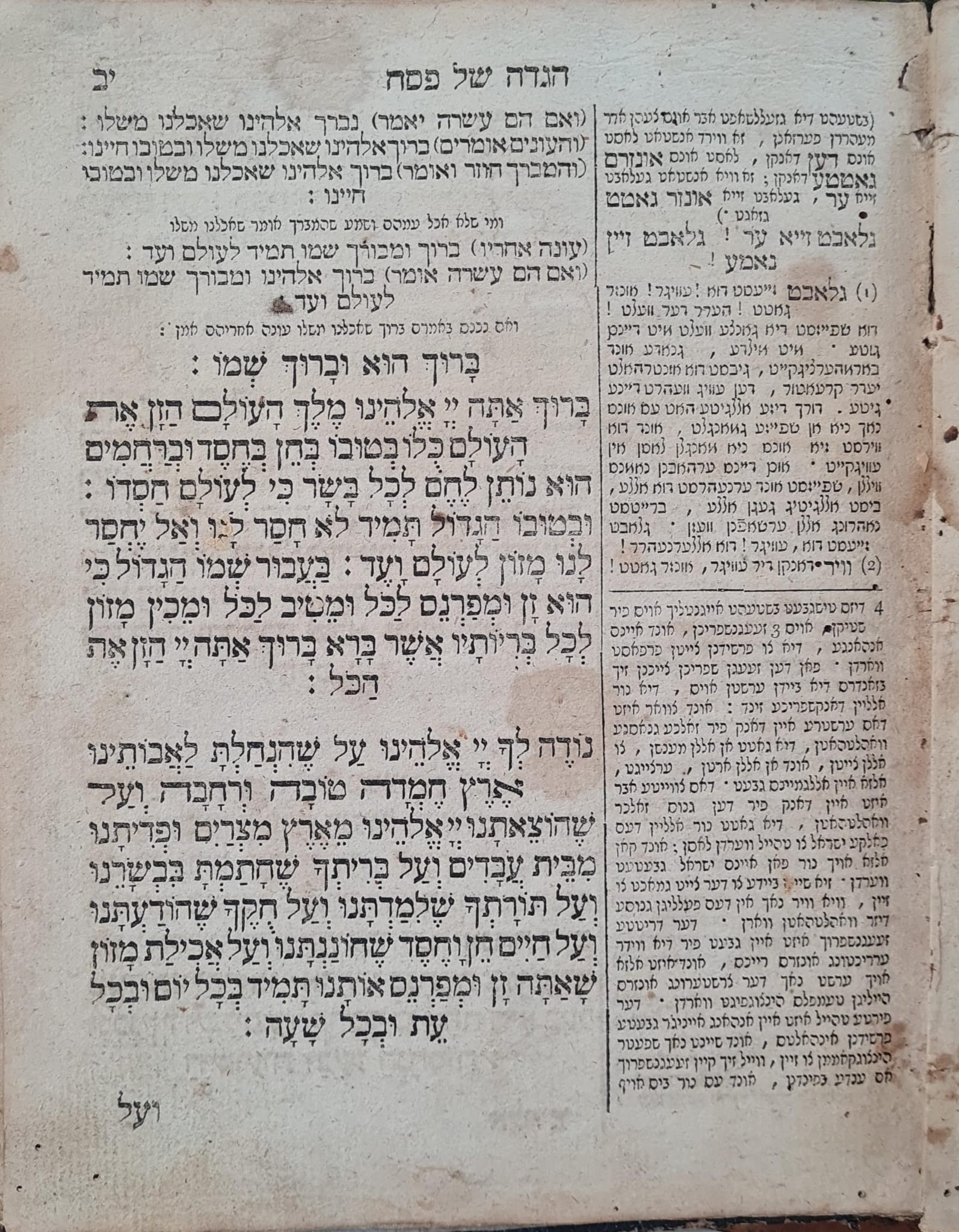
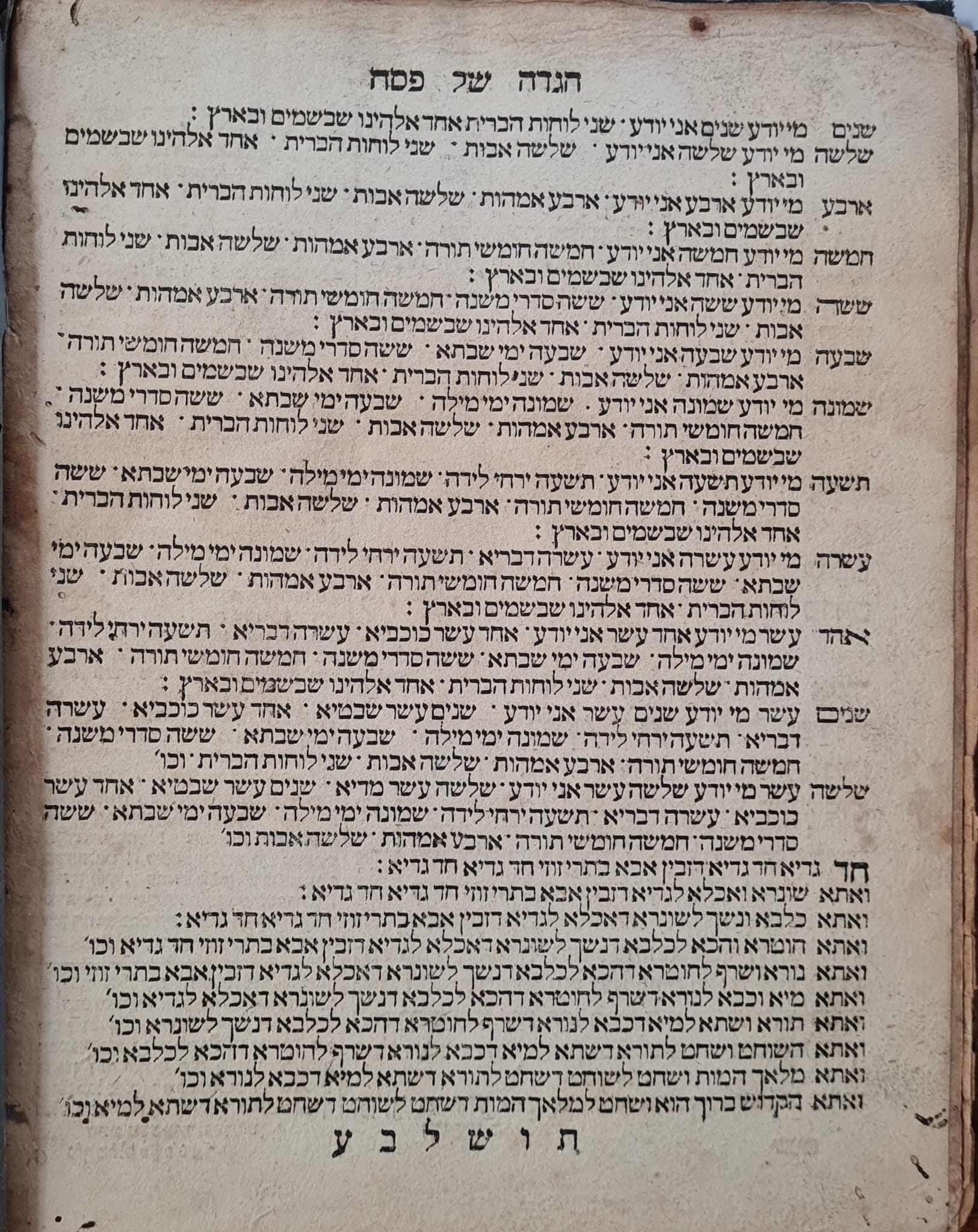
Vienna Haggadah, 1791 · Yudlov 352
An early handwritten inscription in this Haggadah reads:
שייך לוואלף ב״ר ליב פיק
“Belongs to Wolff, son of Reb Leib Pick.”
Its owner, Wolff Löbel Pick, belonged to a Jewish family in Breslau (today Wrocław, Poland) during the closing years of the eighteenth century.
His father, Löbel Wolff Pick, born in 1737, was married to Edel Joel, born in 1735. Their family appears as household No. 160 in the historical register of Breslau’s Jewish community.
This number has particular significance. Under Prussian regulations of 1790, only 160 Jewish families enjoyed the privileged but restricted status of Stamm-Numeranten, granting them limited rights of residence, trade, and family establishment. Even marriage and the right to raise a family in one’s native city were subject to government restrictions.
Wolff married Jettel Wurzel, daughter of Joseph Marcus Elias Wurzel, a Breslau merchant whose family held registration No. 78. A remarkable entry in the city’s Jewish marriage register, dated 8 March 1795, records the marriage of Seew Wolf, son of Juda Leib, to Gitl, daughter of Josef Mordechai. The correspondence of all four names strongly suggests that this was their wedding.
Wolff’s life unfolded during a period when Jewish families in Central Europe struggled to preserve their traditions, maintain their communities, and secure a future for their children under often difficult legal circumstances.
We know little about his personal achievements, his occupation, or his descendants. Yet his handwritten declaration of ownership has preserved something deeply meaningful: the name of a Jewish man, his connection to his father, and a small fragment of a family history that might otherwise have been forgotten.
There is also a beautiful historical connection. The translator associated with this 1791 Vienna Haggadah, Joel Brill, moved to Breslau that same year to lead the Jewish Wilhelms-Schule. Thus, the book and its owner belonged to the same fascinating world of changing Jewish life, traditional learning, and emerging modern Jewish education.
More than two centuries later, the simple words “Belongs to Wolff, son of Leib Pick” still speak to us.
A Haggadah passes from generation to generation, carrying not only the story of the Exodus, but sometimes the names of those who retold it.
Through this surviving inscription, Wolff Löbel Pick has found his place in Jewish memory once again.
SPECIAL


