 arielwp@yahoo.com
 arielwp@yahoo.com


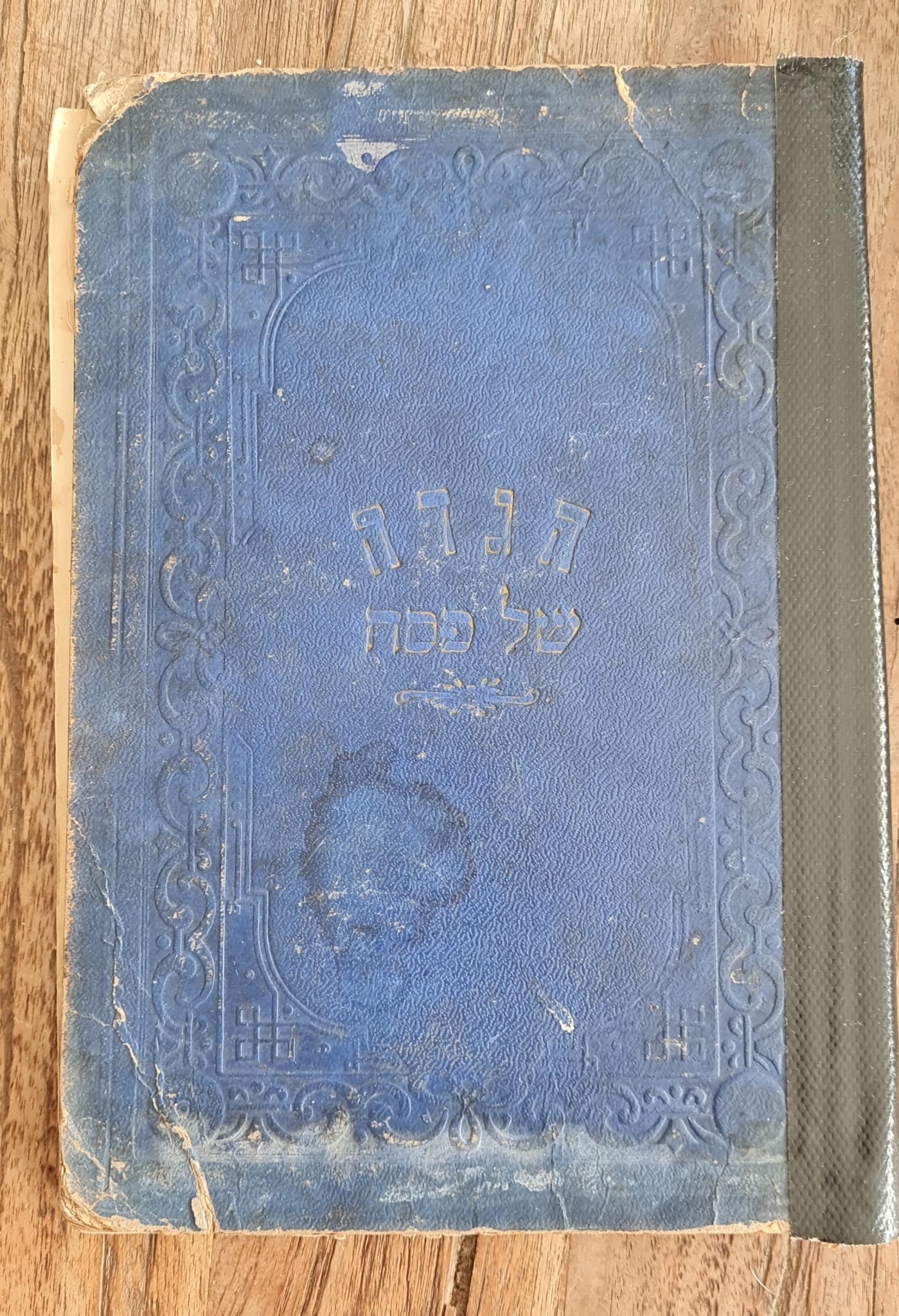
Yudlov 2974 Haggadah Warsaw 1925
Yudlov 2974 Haggadah Warsaw 1925
The Haggadah of Yitzhak Yerahmiel Aspis
-
- Owner Name: Yitzhak Yerahmiel Aspis (Hebrew: יצחק ירחמיאל אספיס)
- Father’s Name: Shraga Feivel Aspis (Hebrew: שרגא פייבל אספיס, alternatively recorded in Polish archives as Feivish Aspes)
- Origins & Birth: Born in 1906 in London, England, to Polish-Jewish parents. The family returned to Poland during his youth, settling in the major industrial city of Lodz.
- Affiliation: The family were devout Gerrer Hasidim (followers of the Ger Hasidic dynasty). This religious background directly correlates with the specific 1922 Warsaw edition of this Haggadah, which features the prominent Chassidic commentary Sefat Emet by the Admor of Ger.
- Book Markings:
-
- Ink Stamp: A three-line ownership stamp in Hebrew block letters reading: “Yitzhak Yerahmiel / Aspis / Pht. Lodz Rehov…” indicating his permanent residential address in Lodz, Poland.
- Pencil Inscription: A faint handwritten dedication beneath the title page text reading: “Belongs to the … Isaac Yerahmiel Aspis, son of the honorable Shraga Feivel, may his light shine.” The honorific title HaChatan (the groom) indicates the volume was likely acquired or gifted around the time of his marriage in interwar Poland.
-
- Holocaust History: The Aspis family was trapped inside the Lodz Ghetto during the Nazi occupation, with female family members (including Sura and a young girl, P. Aspis) documented in ghetto school registries. Yitzhak Yerahmiel survived the Holocaust. Post-liberation records from 1945 show him actively using international survivor networks to locate missing relatives.
-
-
- The Fate of Sura (Sara) Aspis: Records tracking the family’s presence inside the ghetto document Sura Aspis (Yitzhak Yerahmiel’s mother). While she managed to survive the initial brutal years of starvation and forced labor in the ghetto workshops, she was ultimately deported. Regional transport indices list her among the thousands of Lodz Ghetto inhabitants systematically liquidated during the mass deportations to the Auschwitz-Birkenau extermination camp.
- The Record of P. Aspis: A tragic civilian anchor in the USHMM archives is a young school-aged girl registered under the initial P. Aspis. She is factually documented as a student of Ghetto School #17A (a segregated morning school for young girls operating under severe duress inside the ghetto). The school registries abruptly cease in 1941–1942 when the Nazi administration shut down the ghetto schools and deported the children.
- The Father’s Timeline (Shraga Feivel): Historical cemetery and community registries indicate that his father, Shraga Feivel Aspis, passed away prior to the final deportations, leaving the remaining family members to navigate the ghetto administration alone.
- Post-War Family Location Actions (1945): Immediately following the liberation of the camps in May 1945, Yitzhak Yerahmiel Aspis—having survived the war—actively registered his identity with international relief committees. Factual entries in early survivor networks document him placing formal inquiries to track down any potential traces of his mother, sisters, or extended relatives who had vanished into the camps.
-
- Post-War Legacy: Following the war, surviving branches of his direct family resettled back in London, England, and in Bnei Brak, Israel.


SPECIAL
HOLOCAUST
IRONID


