 arielwp@yahoo.com
 arielwp@yahoo.com


Yudlov 251 Haggadah Metz 1767 2
Yudlov 251 Haggadah Metz 1767 2
Beit Chorin Haggadah — Metz, 1767
The Engers Family Haggadah: From the Joy of Birth to the Courage of Resistance
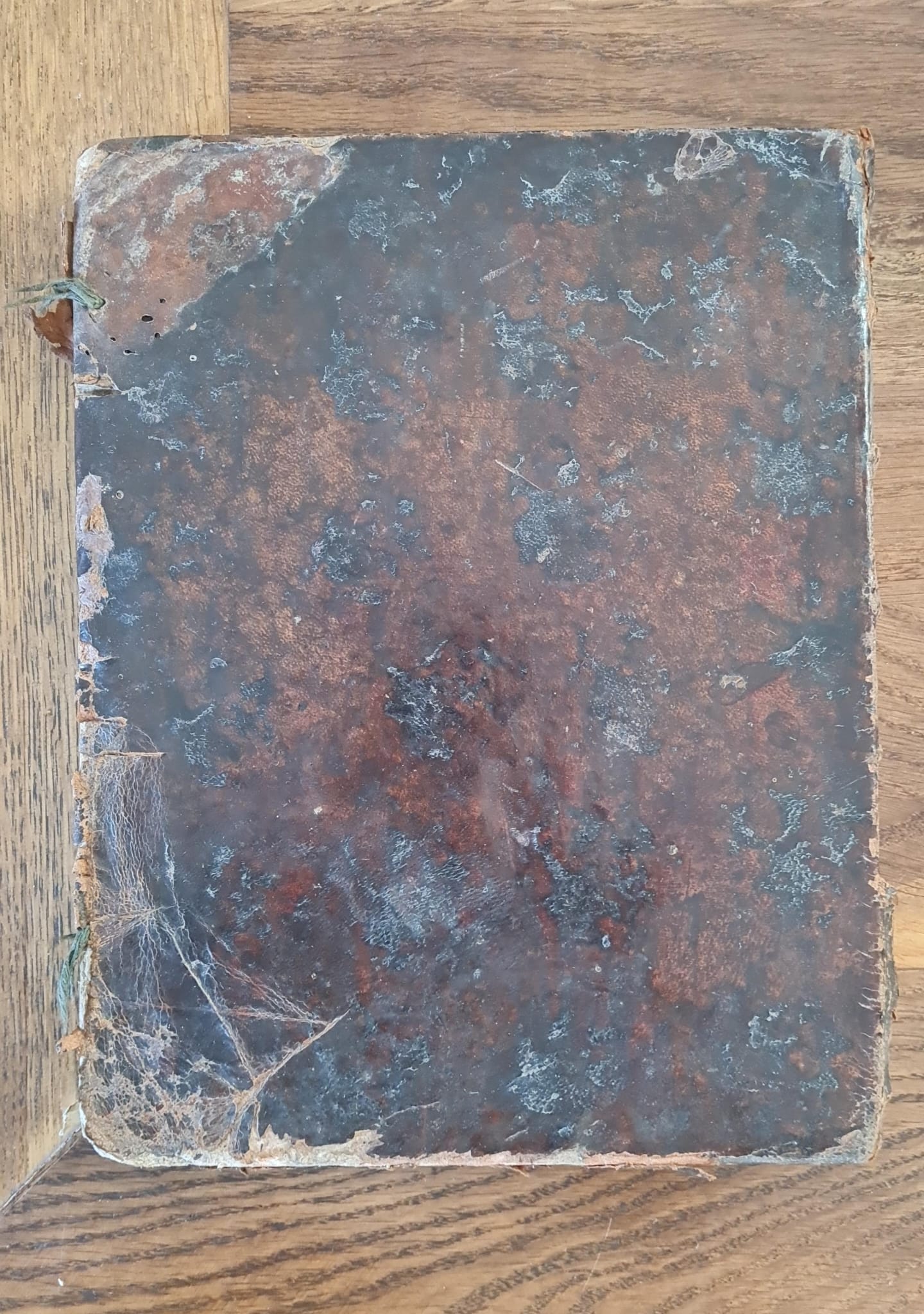
Metz, 1767 (תקכ״ז). First edition. Original leather binding. With an extraordinary handwritten family chronicle.
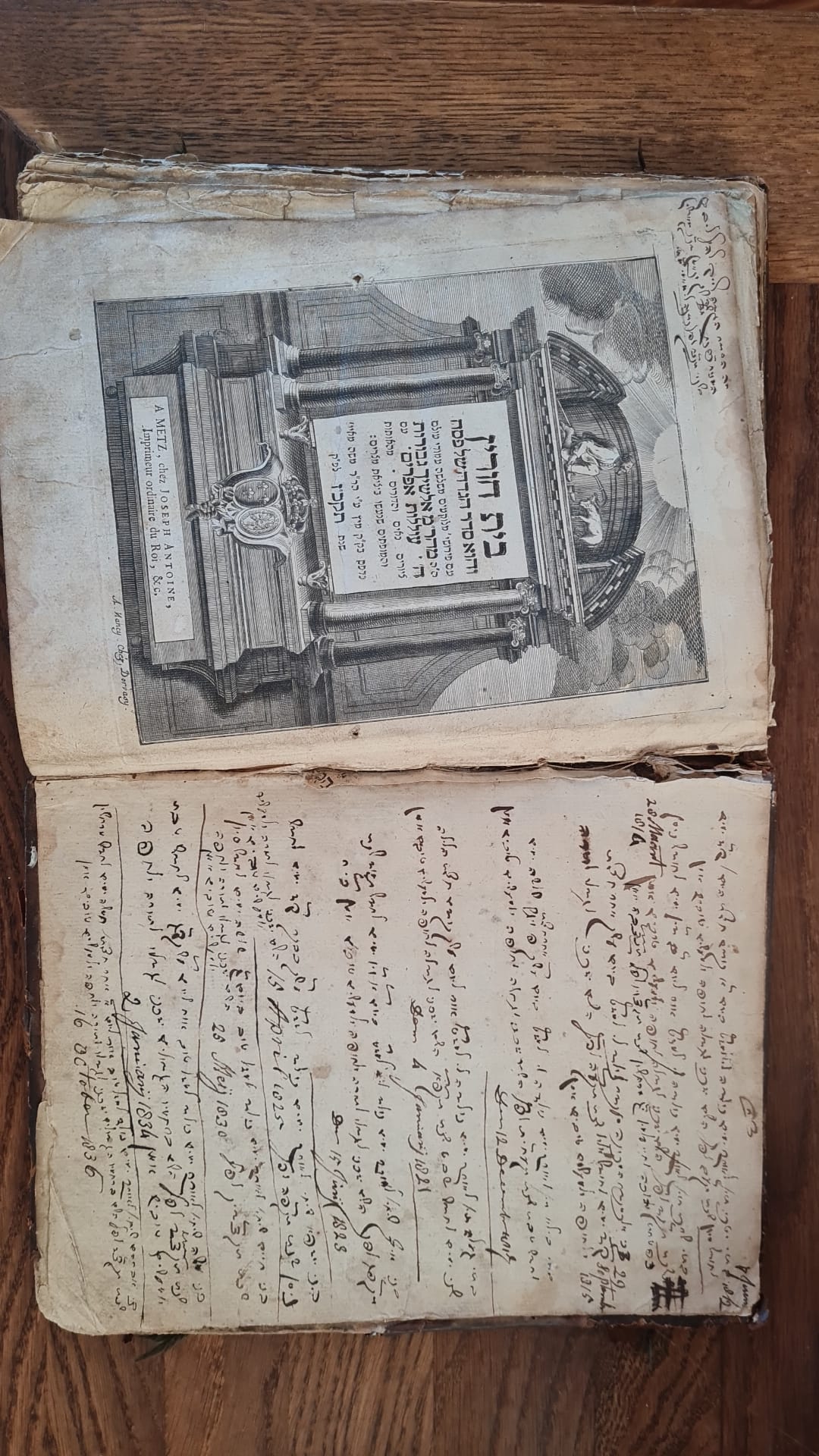
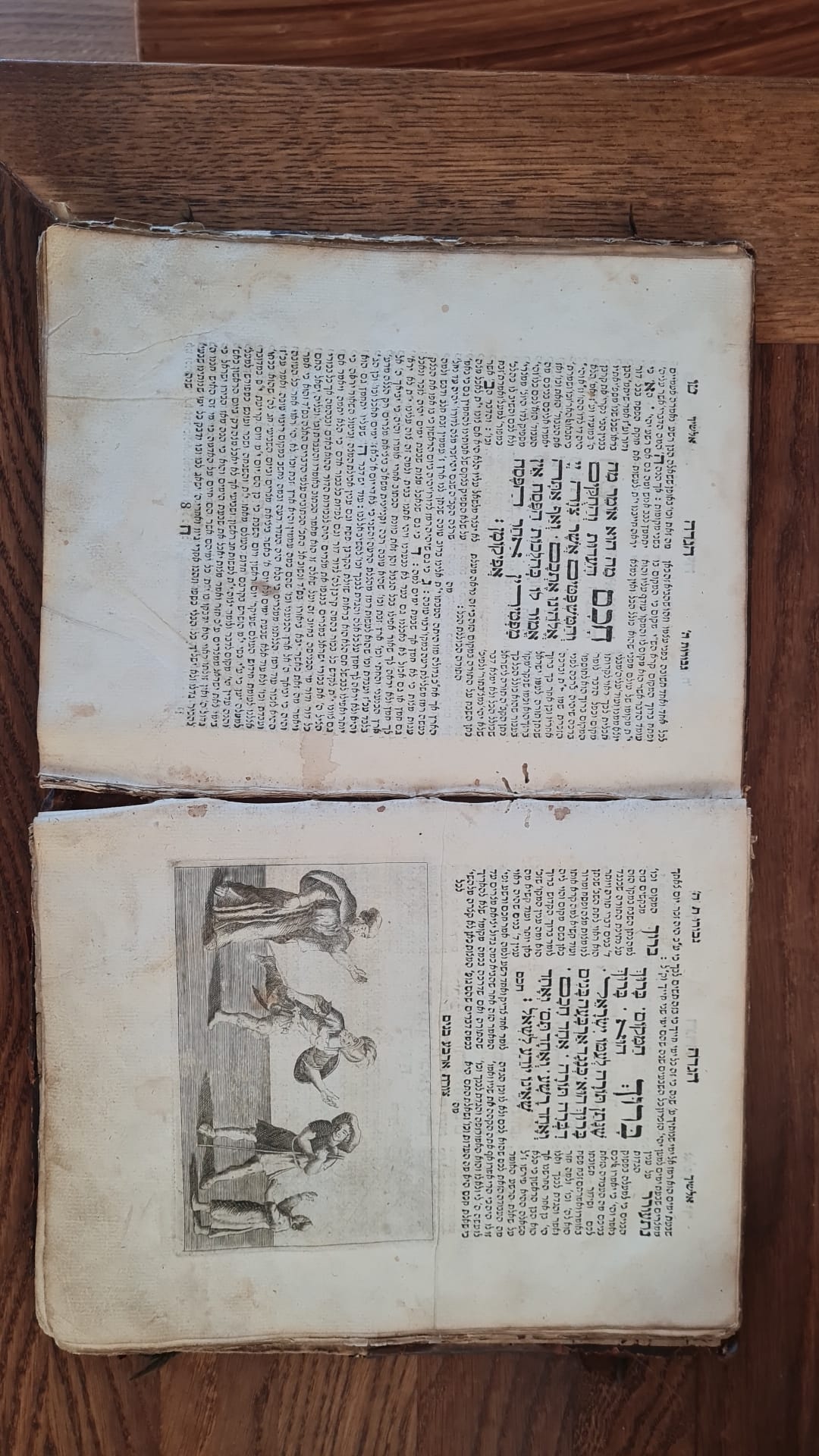
Printed in Metz by Moses May and Joseph Antoine, Beit Chorin was the first illustrated Passover Haggadah published in France.
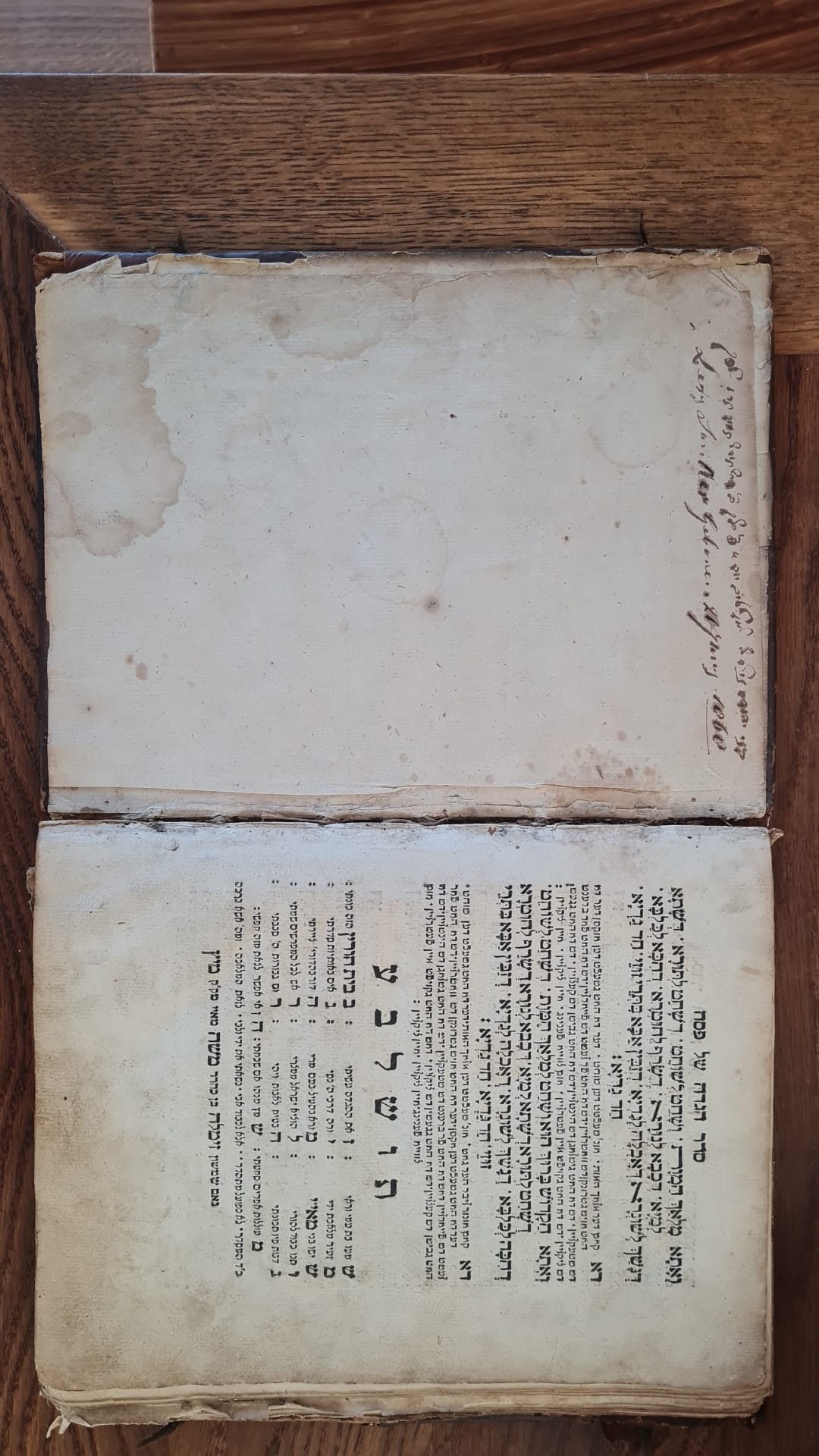
Its folding map is missing, but its most precious feature may be something never intended by its printer: a handwritten record of a Jewish family’s life in nineteenth-century Holland.
The Engers Family — A Family Remembered
On one of the preliminary leaves, an unknown family member carefully recorded the births of children, in Hebrew, alongside dates written in the Dutch manner.
Among the entries are the births of a daughter on January 4, 1821; a son Chaim on May 25, 1830; Moshe on January 2, 1834; and Abraham on October 16, 1836.
Remarkably, these exact dates correspond to children of Levie Noach Engers (1780–1866) and his wife Dina Sanders (c. 1790–1849), who lived in Aarlanderveen, the Netherlands. Their documented children included Kaatje, Heijman, Mozes, and Abraham, born on precisely those four dates.
This extraordinary correspondence allows us to identify, with exceptional confidence, the family whose history is preserved in the Haggadah.
Levie, whose Hebrew name was Yehuda Leib ben Noach (יהודה ליב בן נח), was born in Leiden and served as cantor of the Jewish community of Aarlanderveen. His own father, Noach ben Chaim, had also served as a synagogue cantor in Leiden. Religious service was thus part of the family’s life across generations.
Levie and Dina married in The Hague in 1811. Genealogical records identify twelve children born to them between 1812 and 1836.
The family knew both joy and sorrow. Their son Noach, born in December 1819, lived only eight days. Their youngest child, Abraham, whose birth was recorded on October 16, 1836, died in December 1837, barely fourteen months old.
Yet the births remained written in the Haggadah.
Almost two centuries later, we can still read the names of children whose parents once welcomed them into the world.
A Family’s Journey Into the Twentieth Century
One of Levie and Dina’s sons was Sander Engers, born on September 29, 1815, another date preserved in the family’s records.
Through Sander and his son Levy Engers (1870–1943), we can trace the family to David Engers (1909–1976), a great-grandson of Levie Noach Engers.
David was a Jewish automobile dealer in Amsterdam when the Nazis occupied the Netherlands.
The Holocaust devastated his family.
His father, Levy Engers, was murdered at Sobibor on May 28, 1943. David’s brother Sander was murdered there on the same day. His mother, Mina Pijnappel-Engers, was murdered at Auschwitz, as were other members of the family.
David himself survived persecution and went into hiding. Sheltered first in Varsseveld and later by a resistance family in Aalten, he did something extraordinary: rather than remaining only a fugitive, he joined the Dutch resistance.
Working under the alias Ketelaar, he assisted the resistance organization associated with the Dutch National Battalion. He survived the war and died in Bussum in 1976.
His remarkable story is preserved today by the Netherlands’ National Hiding Museum.
There is something deeply moving about a book devoted to the Exodus and the memory of freedom becoming a witness to the lives of this family.
In the early nineteenth century, someone opened its pages to record the birth of a beloved child. Generations later, descendants of that same family faced persecution, murder, and, in David’s case, the struggle for freedom once again.
The Haggadah preserves not only an ancient people’s story of survival, but also a small part of one family’s own.
The names of children, the dates of their births, the parents who cherished them, the generations who followed—and the courage of a descendant who resisted the Nazis—are all connected by the history recovered from these handwritten pages.
An eighteenth-century Haggadah became a family chronicle.
And through its preservation, their names can still be remembered.
May their memory be a blessing.
Bibliographical reference: Yaari 162; Otzar HaHaggadot 251.
Historical documentation: Akevoth Dutch Jewish Genealogical Archive; Dutch civil and genealogical records; Digitaal Joods Monument; Nationaal Onderduikmuseum (National Hiding Museum), David Engers biography.
SPECIAL
HOLOCAUST
IRONID


