 arielwp@yahoo.com
 arielwp@yahoo.com


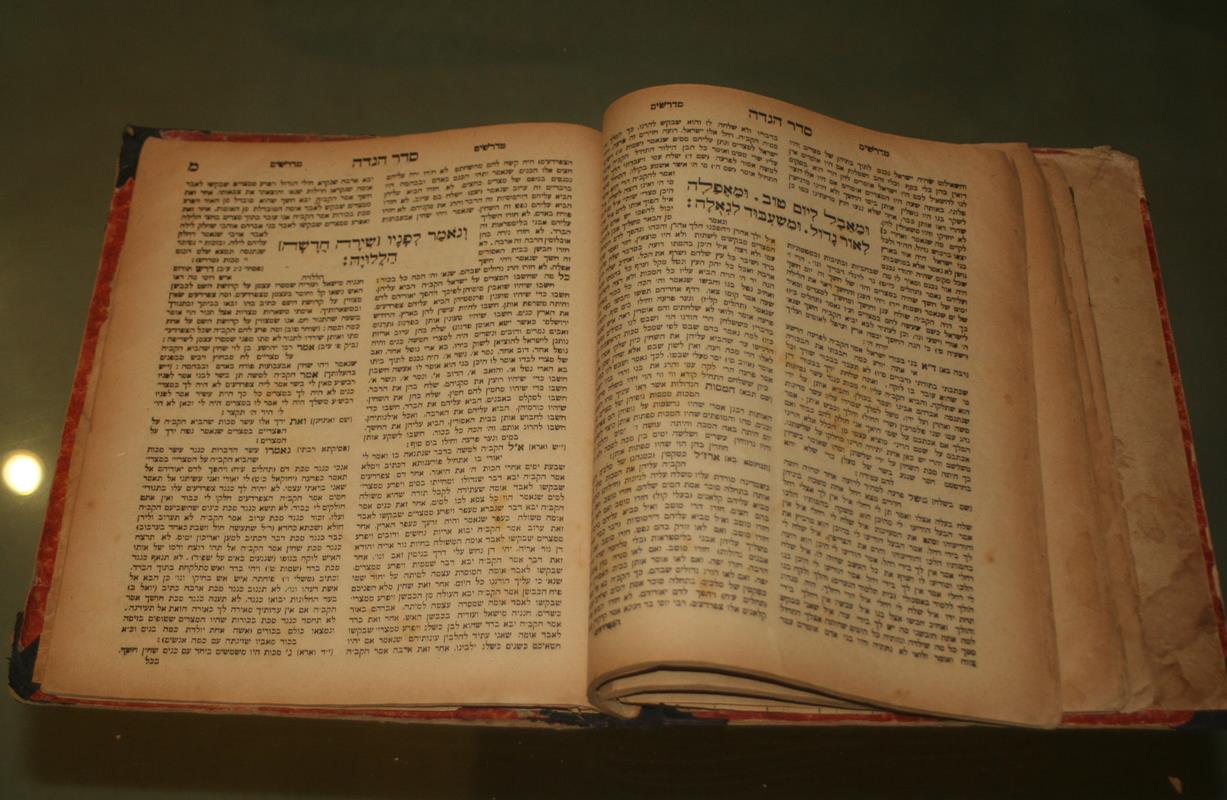
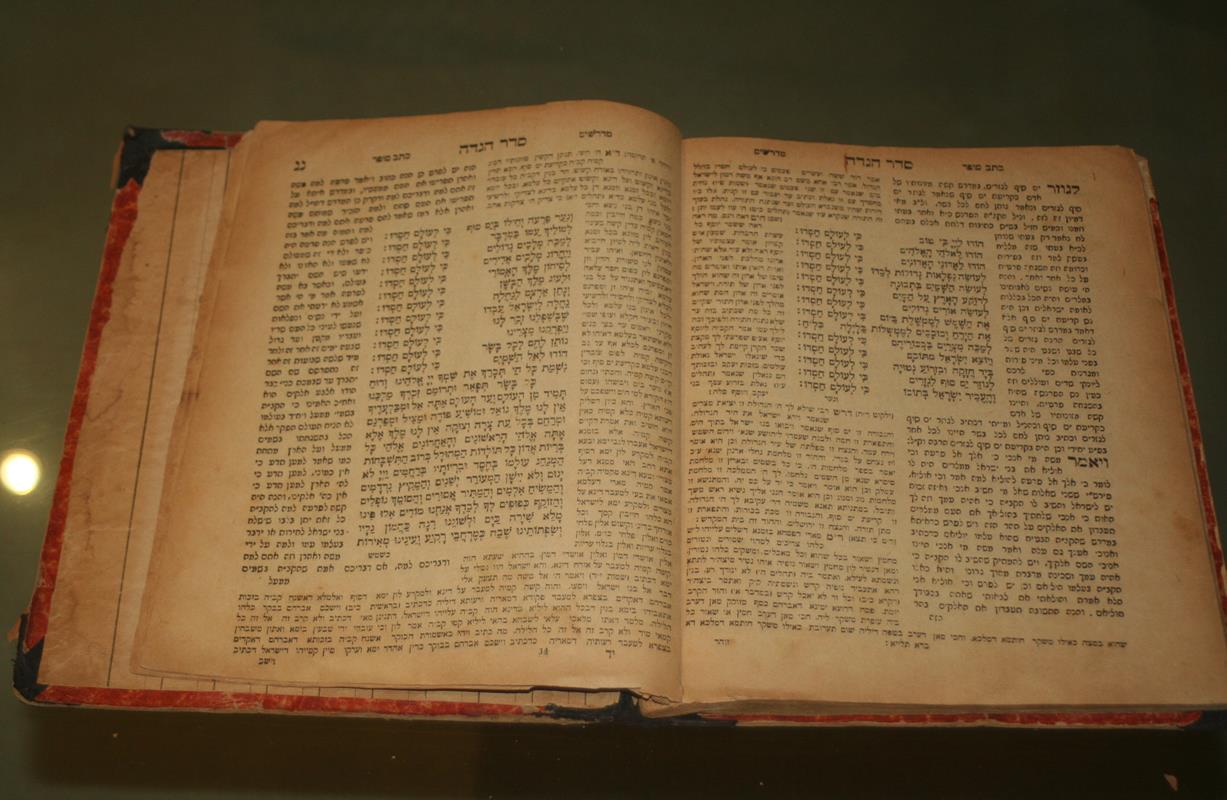
Yudlov 2355 Haggadah Munkacs 1906
Yudlov 2355 Haggadah Munkacs 1906
Publisher: Tzvi Yaacov Cohen Ve Shutafo
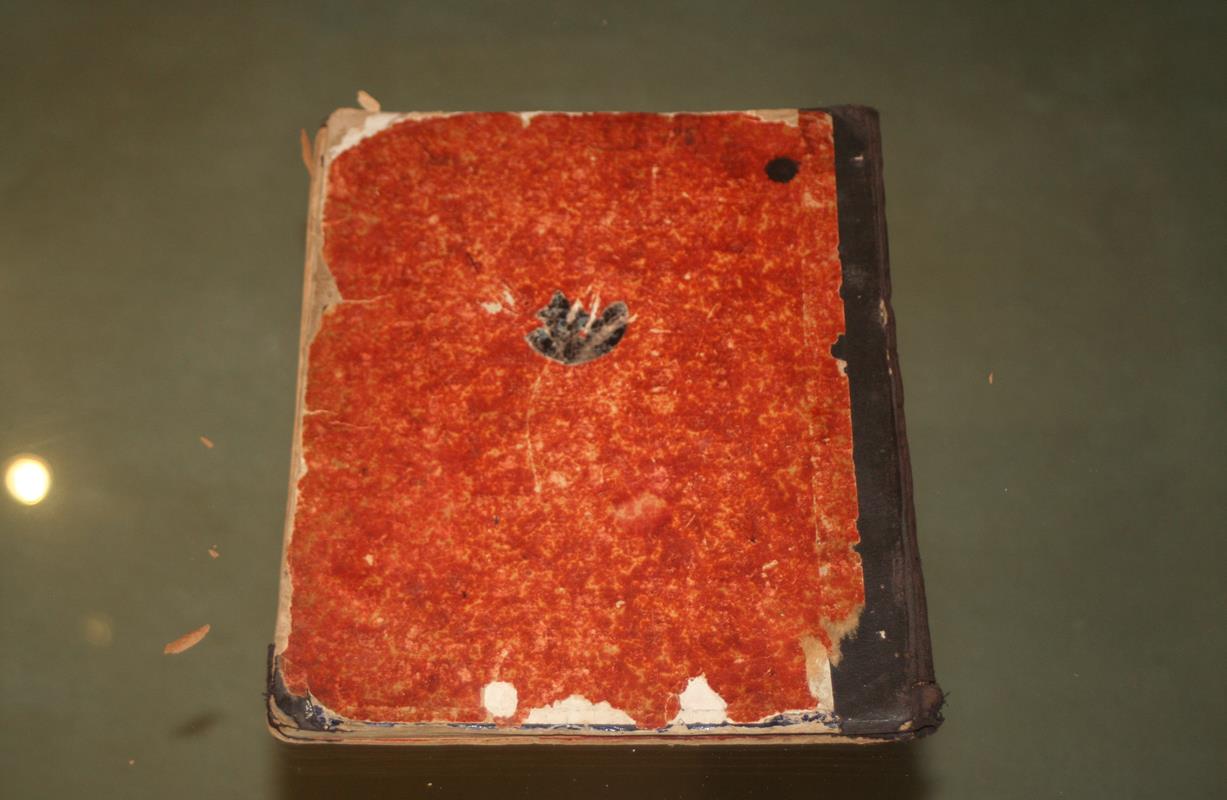
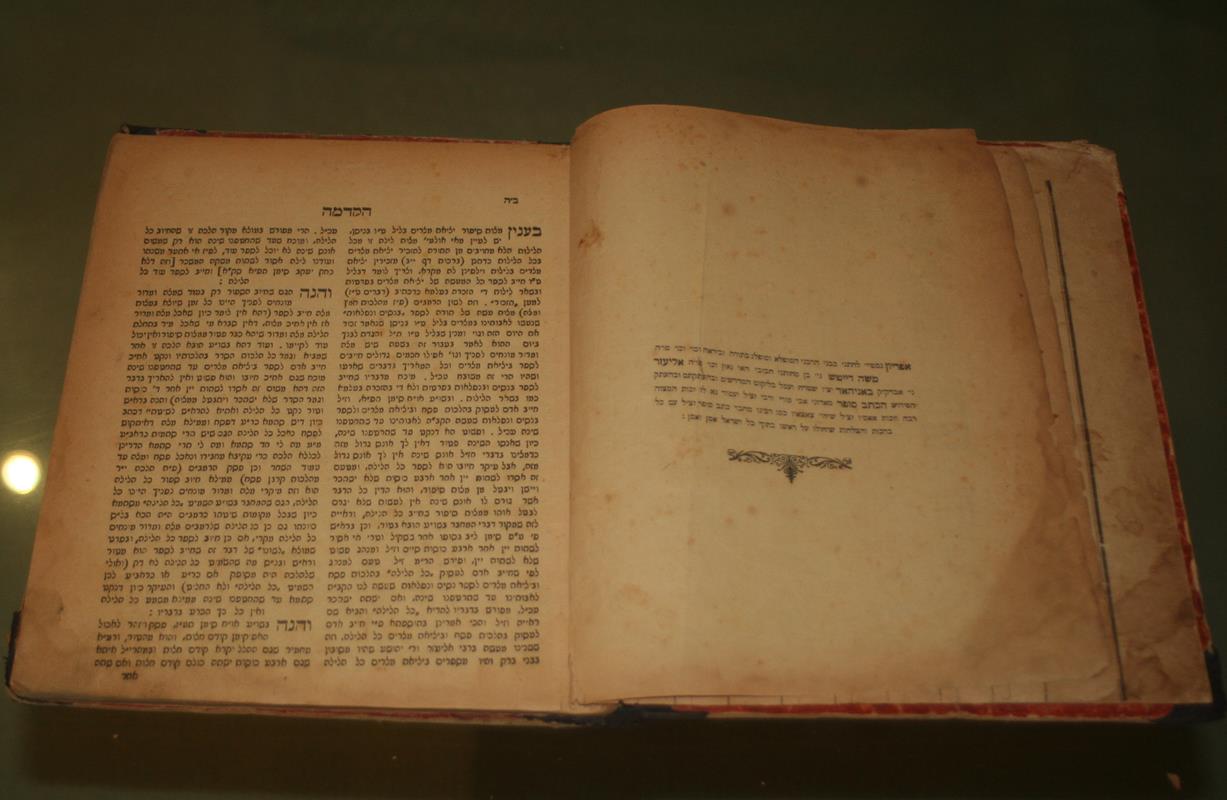
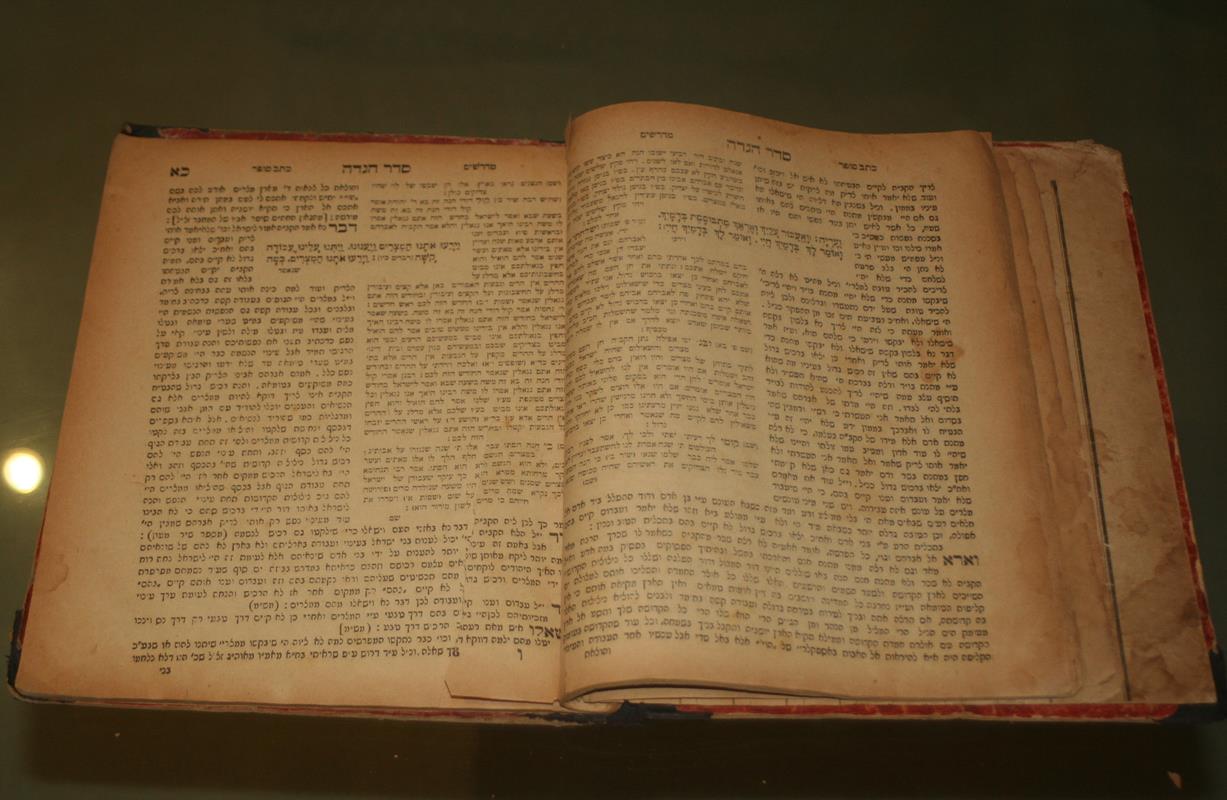
Yitzchak Eizik (Aladár) Róth’s Munkács Haggadah (1906)
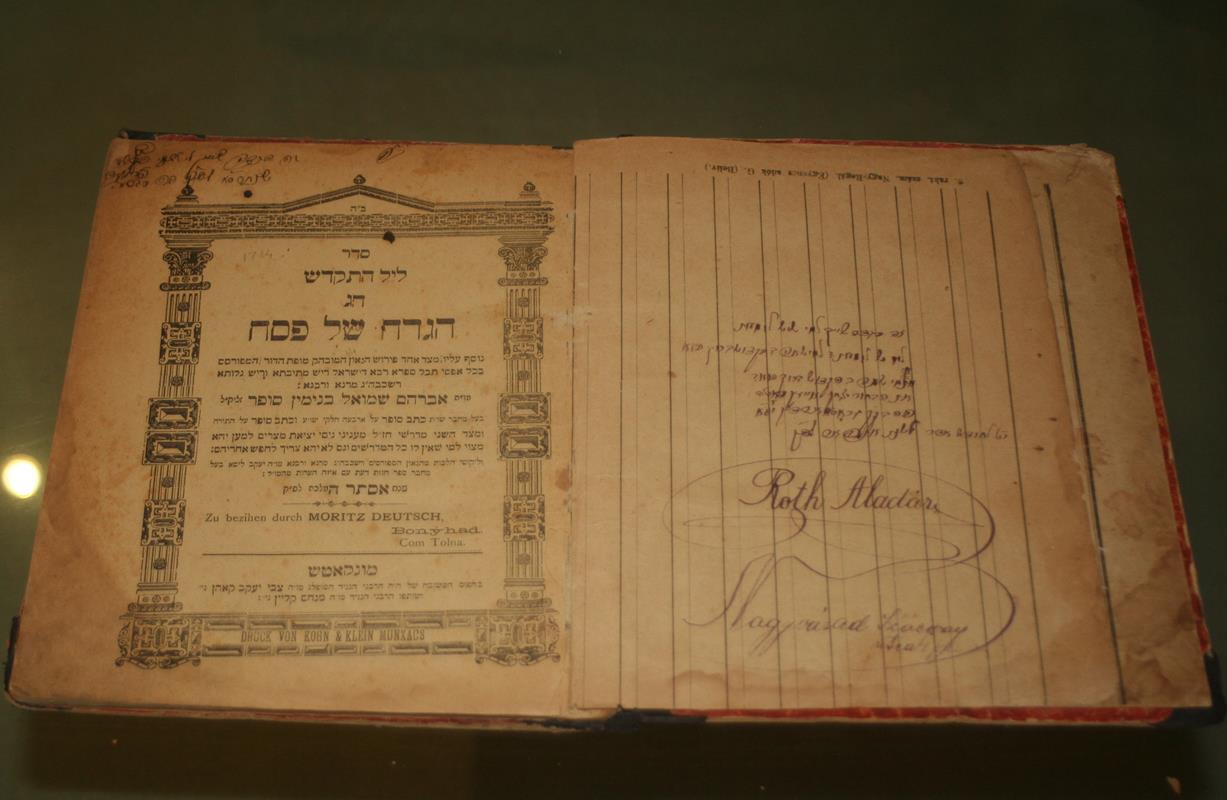
This Haggadah was printed in 1906 in Munkács, one of the great centers of traditional Jewish printing and Hasidic life in prewar Hungary. Its owner, who signed the volume in both Hebrew and Hungarian, was Yitzchak Eizik Róth — known in civic life as Aladár Róth — of Nagyvárad (today Oradea, Romania; historically Grosswardein).
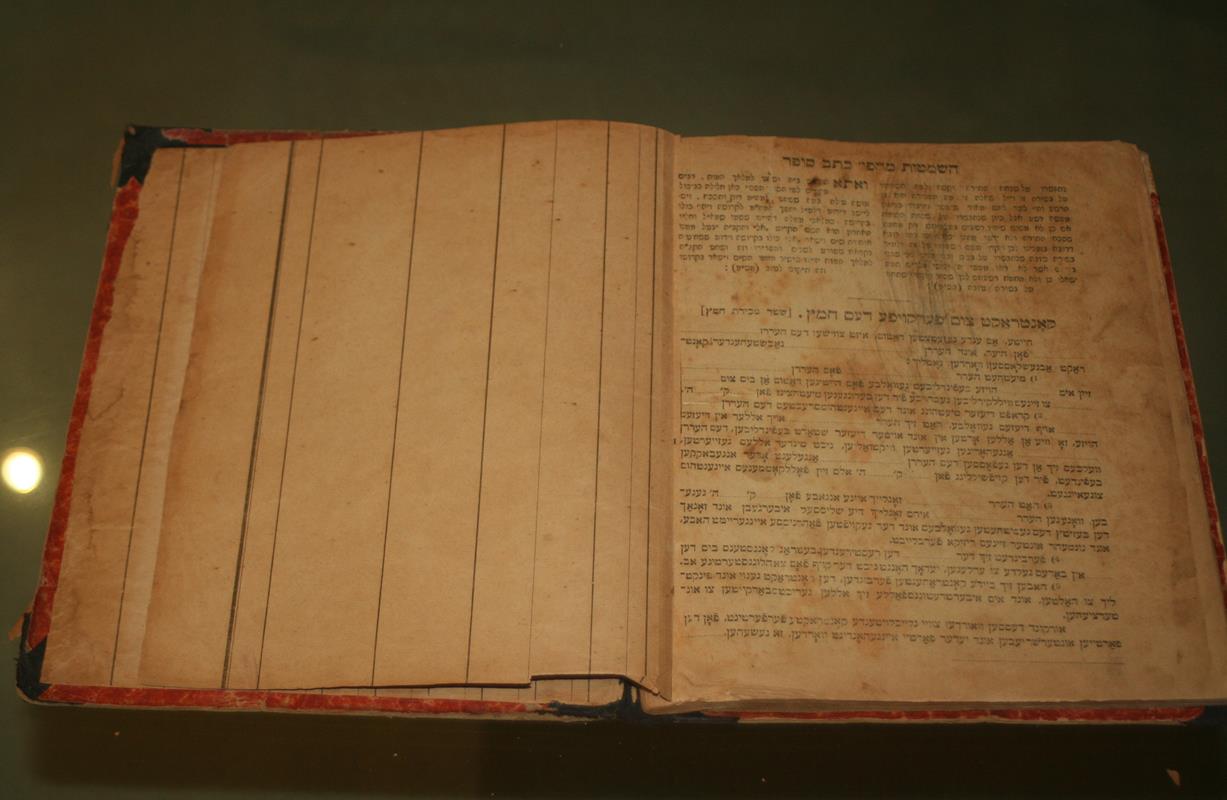
The book contains a warm and playful Hebrew ownership inscription written in rhyming style:
“This Haggadah belongs to the one who possesses wealth.
And who possesses wealth?
The one who loves the Holy One, blessed be He, with all his strength.
Namely the young man Yitzchak Eizik Róth,
here in the holy community of Grosswardein, may it be protected, Amen.”
Beneath the Hebrew inscription appears the elegant Hungarian signature:
“Róth Aladár
Nagyvárad, Szacsvay utca”
The wording reflects the cultured bilingual world of Hungarian Jewry before the Holocaust, where many Jews maintained parallel Hebrew/Yiddish religious names alongside Magyar civic identities. The inscription’s use of the word מעות (“money” or “wealth”) is intentionally moralistic and humorous, transforming material wealth into spiritual worth through devotion to God. Before Passover, Jews collect a special charity fund called Ma’ot Chittim (literally “wheat money”) to ensure everyone can buy matzah and wine. The writer is playing on this, declaring that true wealth (ma’ot) isn’t coins, but rather loving God.
The writer refers to himself as ha-bachur (“the young man” or “unmarried student”), suggesting the inscription was composed in his youth, likely shortly after acquiring the Haggadah. If the identification is correct, Aladár Róth was born in 1883 and would have been in his early twenties when this book entered his possession.
Archival evidence strongly suggests that this same Aladár Róth was later among the Jews deported from Nagyvárad during the Holocaust. In 1944, Hungarian authorities established the Nagyvárad ghetto, one of the largest ghettos in wartime Hungary, in precisely the neighborhoods where much of the city’s Jewish population had long lived. Records indicate that an Aladár Róth born in 1883, together with his wife Margareth, was deported from the ghetto to Auschwitz during the mass deportations of May–June 1944.
This modest Haggadah thus preserves far more than a name. It is a surviving witness to the rich Jewish world of Munkács and Nagyvárad — a world of Hebrew learning, Hungarian culture, Orthodox piety, and personal devotion — almost entirely destroyed in the Holocaust.
SPECIAL
HOLOCAUST
IRONID


