 arielwp@yahoo.com
 arielwp@yahoo.com


Yudlov 4052 Haggadah Munich 1947
Yudlov 4052 Haggadah Munich 1947
Rabbi Avraham Timsit and a 1947 Munich Vaad Hatzala Haggadah
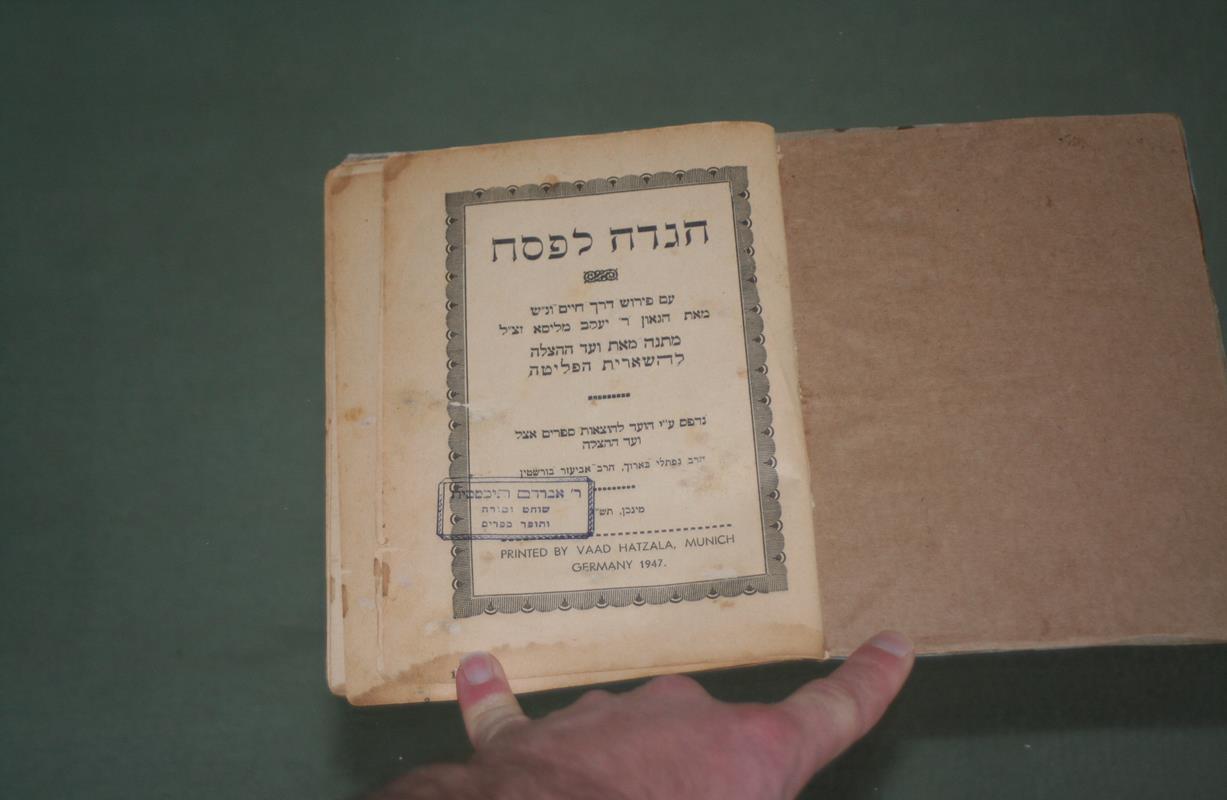
This 1947 Munich Vaad Hatzala Haggadah bears a distinctive purple ownership stamp reading:
ר׳ אברהם תימסטית
שוחט מורה
ותופר ספרים
Translated, the stamp identifies its owner as:
“R. Avraham Timsit — ritual slaughterer, teacher, and binder of books.”
The stamp is particularly intriguing because of its unusual final title, “ve-tofer sefarim” (“and binder/sewer of books”). Rather than describing Rabbi Timsit as a sofer (scribe), the stamp explicitly identifies him as someone who physically repaired or rebound Jewish books — an old and highly practical trade within traditional Jewish communities.
The surname Timsit is strongly associated with North African Jewry, especially Morocco and Algeria, suggesting that Rabbi Avraham Timsit likely came from a Sephardi or Mizrahi background. In many North African Jewish communities, religious functionaries often filled multiple communal roles simultaneously, serving as shochtim (ritual slaughterers), teachers, cantors, scribes, or craftsmen involved in the maintenance of sacred books.
The wording and style of the stamp strongly support this interpretation. Unlike many Ashkenazi rabbinic stamps of Eastern Europe, which typically used formal rabbinic titles such as “Dayan,” “Av Bet Din,” or “Sofer STaM,” this stamp presents a more practical and artisanal identity rooted in everyday communal service.
The appearance of this stamp in a 1947 Munich Vaad Hatzala Haggadah raises several fascinating possibilities. The Vaad Hatzala organization played a major role in supplying religious books and rebuilding Jewish life among Holocaust survivors in postwar Displaced Persons camps. Rabbi Timsit may have:
- passed through postwar Europe,
- acquired the Haggadah later in North Africa, France, or Israel,
- or even repaired and rebound the volume himself.
If the Haggadah shows signs of hand repair, resewing, or rebinding, the stamp may have functioned partly as a binder’s mark.
At present, no definitive biographical record for Rabbi Avraham Timsit has been located online, making the stamp itself an important surviving piece of evidence for his existence and profession. The Haggadah therefore preserves not only a postwar Jewish artifact, but also a rare glimpse into the world of mid-20th century North African Jewish religious craftsmen and communal figures.
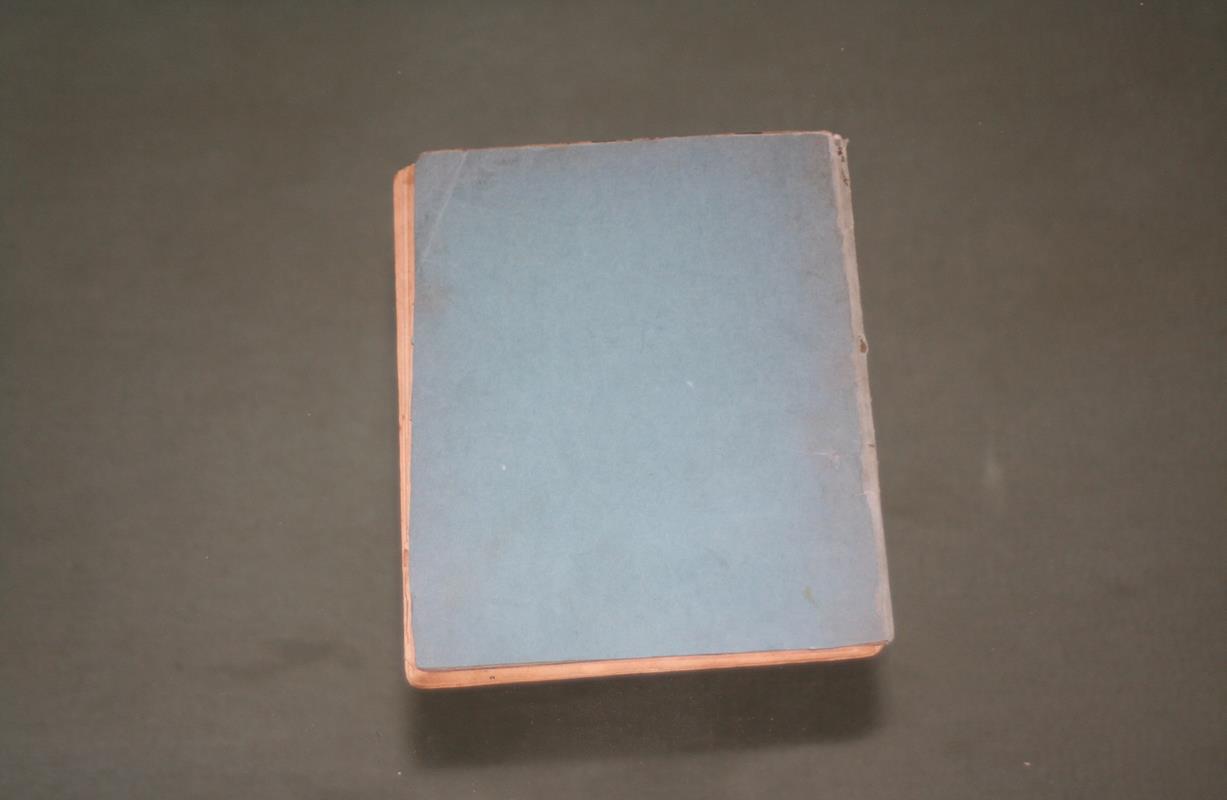
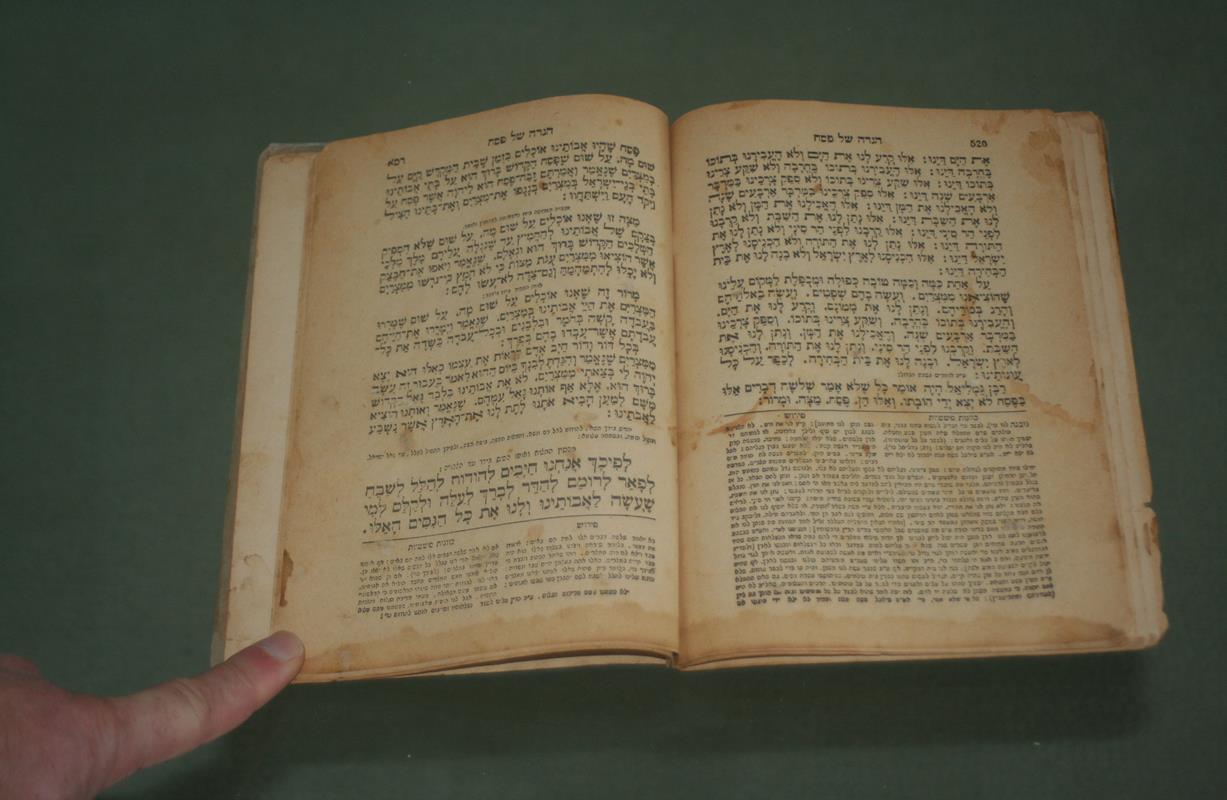 Yudlov 4052 Haggadah Munich 1947
SPECIAL
HOLOCAUST
IRONID


